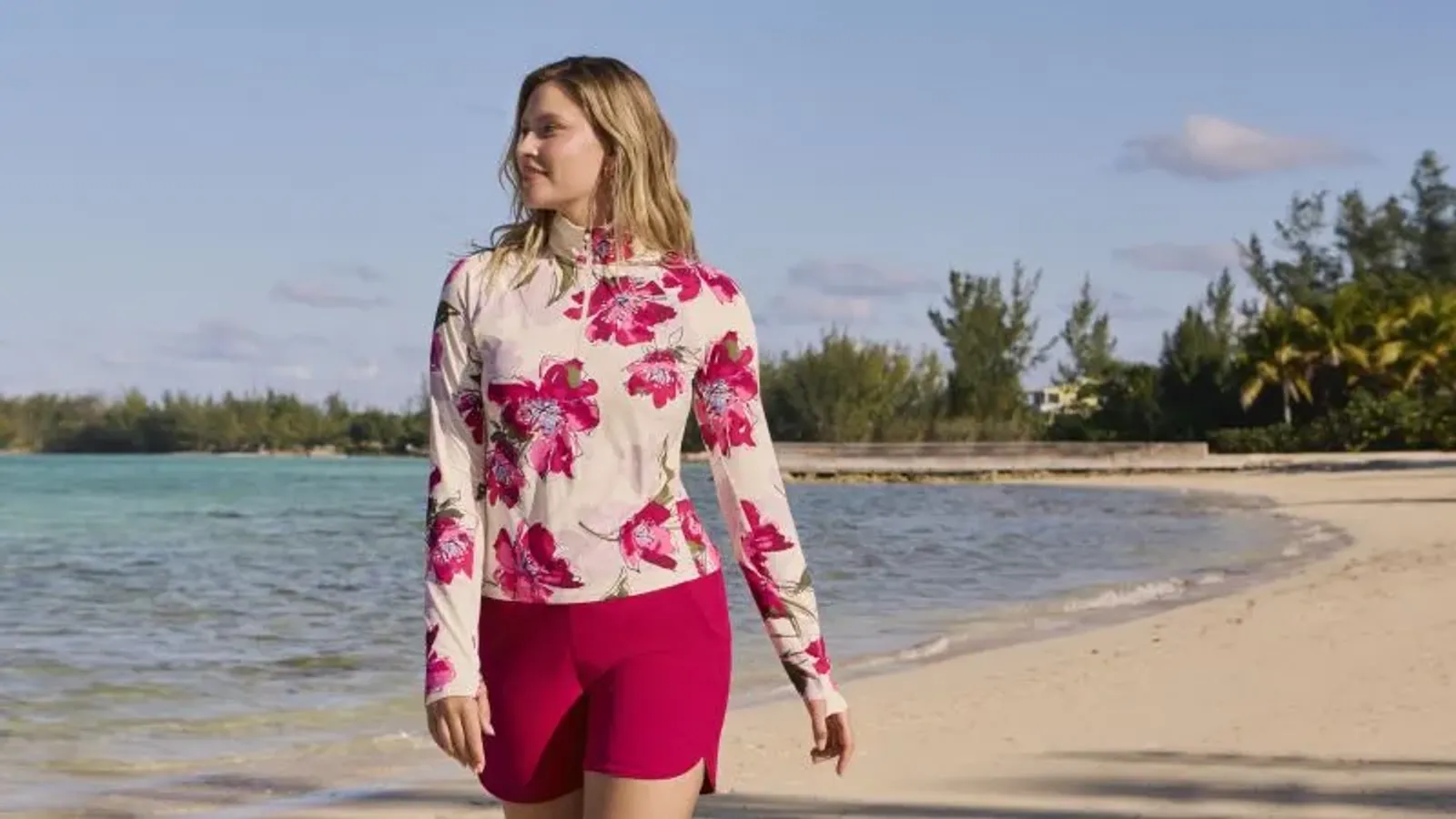
When it comes to sun safety, sunscreen is only part of the story. UPF (Ultraviolet Protection Factor) clothing and swimwear provide continuous, wearable protection that helps families stay comfortable, active, and covered at the beach, pool, park and everywhere in between. This guide explains what UPF means, how it differs from SPF, how to choose and care for Lands’ End UPF-rated apparel, and how to match the right pieces to your family’s activities and skin needs.
What Is UPF Protection and How Is It Different from SPF?
Sunscreen is essential, but it isn’t a complete plan on its own. That’s where UPF clothing comes in. UPF is the fabric standard that indicates how much ultraviolet (UV) radiation — both UVA (aging rays) and UVB (burning rays) — can penetrate a material and reach your skin. The higher the UPF number, the more UV the fabric blocks. By contrast, SPF is a rating for sunscreens and measures the level of UVB protection on skin only (some sunscreens also include broad spectrum protection for UVA).
Understanding the Terms: UPF, SPF, and Why They Matter
- UPF (Ultraviolet Protection Factor) applies to fabrics and accessories like swim shirts, rashguards, hats, cover-ups and leggings. A UPF 50 fabric allows only 1/50th (≈2%) of UV radiation to pass through — blocking about 98% of harmful UV rays.
- SPF (Sun Protection Factor) applies to topical products (lotions, sticks, sprays) and indicates how long UVB exposure might take to redden skin versus no sunscreen. Broad spectrum SPF also guards against UVA, but protection depends on correct application and reapplication.
UPF vs. SPF: Side-by-Side Comparison
| Factor | UPF (for Fabrics) | SPF (for Sunscreens) |
| What it measures | UV transmission through fabric (UVA + UVB) | Time to sunburn on skin from UVB (broad spectrum adds UVA) |
| Application | Worn — no reapplication needed | Applied to skin — must reapply per label, after swimming/sweating |
| Typical ratings | 15-50+ (UPF 50 ≈ 98% UV blocked) | 15-70+ (SPF 30+ recommended; broad spectrum preferred) |
| Coverage consistency | Continuous, as long as the fabric covers skin | Variable, depends on application amount, technique, and reapplication |
| Best use | Everyday sunwear, swim, sports, travel, kids | Complement to UPF clothing; uncovered areas; face/hands/feet |
Bottom line: Use both clothing and sunscreen to maximize protection from harmful rays. Make UPF clothing your first line of defense and apply broad spectrum SPF 30+ on exposed areas for comprehensive coverage.
Why UPF Is Critical for Sun Protective Clothing
UPF clothing offers dependable physical protection the moment you put it on. Unlike sunscreen, it won’t wash off, sweat off or require reapplication — making it a smart baseline for long days outside. UPF apparel also covers areas people often miss with sunscreen (shoulders, back, neckline), and many pieces are designed with comfort features like quickdry fabric, flat seams, or cooling technology to support all-day wear.
What Do Different UPF Ratings Mean?
- UPF 15-24: Good protection
- UPF 25-39: Very good protection
- UPF 40-50+: Excellent protection (UPF 50 is the gold standard for sunwear)
For families, that typically means prioritizing UPF 50 for high exposure moments — swimming, boating, midday play — while reserving lower UPF for brief or lower-intensity exposure.
Quick checklist for evaluating UPF apparel:
- Verified UPF label: Look for UPF 50 for peak protection.
- Coverage by design: Long sleeves, mock necks, higher backs, longer hems, full-brim hats.
- Fit for function: Snug for swim (to minimize drag), easy but not oversized for hiking or play.
- Fabric type: Densely knit or woven; look for quick-dry, chlorine resistant, stretch blends.
- Comfort tech: Moisture-wicking, cooling finishes, flat seams, lined or shelf bra options, adjustable waist.
- Activity match: Water-ready (chlorine/salt friendly), trail ready (breathable/vented), everyday (soft knits).
- Style preference: Colors and prints kids love; polished solids for work-to-weekend; coordinated family options.
Choosing UPF Clothing & Swimwear for Every Day
When you’re building a sun-safe wardrobe, start with the pieces you wear most in sunny conditions — long sleeve rashguards and swim tees, board shorts, modest-coverage swimsuits, cover-ups, sun hats, and lightweight tops. For kids who dart in and out of water, prioritize one-and-done coverage like long-sleeve rashguards and swim sets. For adults, mix UPF 50 swim layers with breathable knits or wovens for time before and after the water.
Features that Enhance Protection and Comfort
- Fabric density: Tighter constructions generally block more UV.
- Color: Darker and brighter hues typically absorb more UV than light pastels.
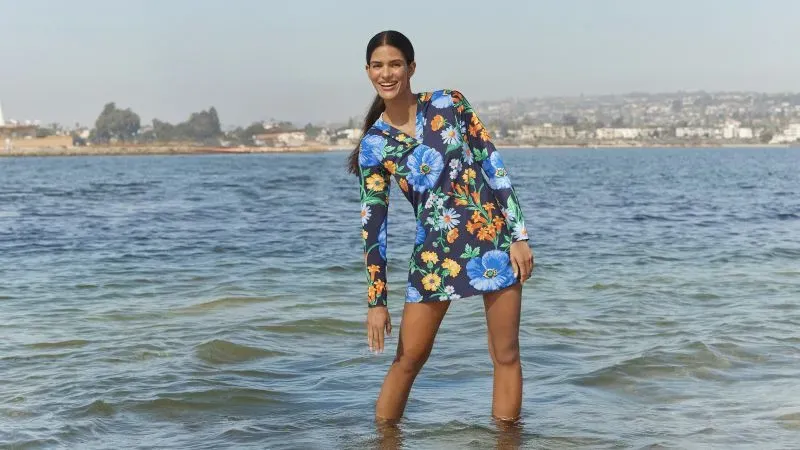
- Design cues: High necklines, thumbhole sleeves, longer backs, and hooded cover-ups extend coverage where it counts.
Why choose Lands’ End for Sun Protection?
Our UPF 50 swim and sunwear are intentionally designed for real life — from chlorine resistance and shape-retaining stretch to inclusive sizing (women, men, plus, long torso, petite, big & tall, kids) and mix-and-match separates that make outfitting simple. Explore the SunShade UPF 50 collection for even more sun-safe options built for comfort and performance.
Caring for UPF Clothing and Swimwear
UPF performance is built into the fabric and construction, but care matters. Gentle maintenance keeps garments comfortable and protective season after season.
Do’s for lasting sun protection
- Rinse after use in pool or saltwater to remove chlorine/salt and sunscreen residue.
- Machine wash cold, gentle cycle, with mild detergent.
- Air dry or tumble dry low; high heat can prematurely age elastane.
- Store flat or hang out of direct sunlight to prevent fading and fiber stress.
Don’ts
- Avoid fabric softeners and bleach — both can degrade fibers and finishes.
- Skip rough surfaces (pool decks, concrete) that can snag or abrade fabric.
- Don’t wring aggressively; instead, roll in a towel to remove excess water.
Signs of fabric aging
- Thinning or sheerness where the garment rubs or stretches most (shoulders, seat).
- Loss of recovery (bagging at elbows, knees, waist).
- Pilling or snags that indicate fiber wear.
- Noticeable fade combined with thinning can signal diminished coverage.
How Often Should You Replace UPF Clothing?
There’s no single calendar date — replacement depends on use, care and condition. For swimwear or rashguards worn weekly in summer, evaluate at season’s end. If you see persistent thinning, stretched areas, or the fabric feels noticeably tired compared to new, it’s time to refresh. With proper care, many families enjoy multiple seasons from their Lands’ End UPF 50 pieces.
Matching Clothing to Activities and Skin Needs
Choosing the right clothing starts with understanding how your day unfolds. Different activities, climates and skin sensitivities call for different levels of coverage, comfort features and fabric weights. Whether you’re swimming, hiking, traveling or keeping kids protected during all-day play, the right UPF 50 pieces make sun safety simple and reliable.
Swimming & Water Play
- Go-to: kids’ UPF 50 rashguards and long sleeve swim tees, board shorts and bathing suits with fuller coverage.
- Why: Stay protected in and out of water without reapplying sunscreen to covered areas; quick-dry fabrics keep kids comfy between dips.
Hiking, Parks & Sports
- Go-to: Lightweight shirts with roll-tab sleeves, breathable knits and full-brim hats.
- Why: Venting, moisture-wicking and airy weaves balance coverage with comfort, even on warm days.
Daily Errands & Travel
- Go-to: Soft UPF 50 everyday tees, cardigans/cover-ups, swim dresses with higher backs and travel scarves.
- Why: Seamless transition from indoors to outdoors; easy layering for changing temps.
Lightweight vs. Heavyweight: Comfort in All Conditions
- Hot/humid climates: Choose lightweight, moisture-wicking knits and breathable wovens fabrics; look for quick-dry finishes and lighter colors that reflect heat.
- Moderate/cooler days: Opt for denser knits, long sleeves, and layer-friendly pieces like hoodies or quarter-zips that still offer sun coverage.
Family Focused Solutions
- Kids: Prioritize zip front UPF 50 rashguards (easier on/off), sturdy stitching and prints they’ll reach for — because the best protection is the one they’ll wear.
- Adults: Consider activity-specific fits (streamlined for swim, relaxed for hikes), and mix-and-match sets to extend outfits.
- Sensitive skin: Look for smoother interiors, flat seams and tagless designs; maximize coverage (high necks, long sleeves, full-brim hats) to reduce reliance on frequent sunscreen reapplication.
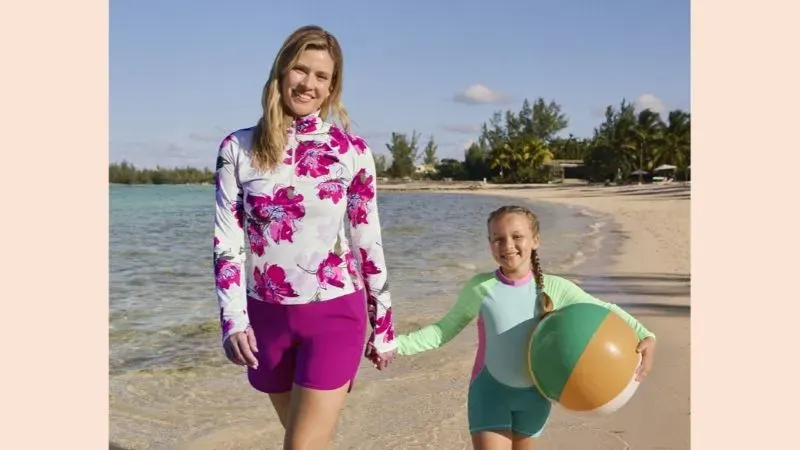
- Coordinated family sets: Matching color stories simplify packing and make it easy to spot your crew at the beach.
Why Choose Lands’ End for Sunny Days?
Lands’ End UPF clothing and swimwear are intentionally engineered to support every type of sun-filled activity. Our UPF 50 styles are built from durable, high-performance fabrics designed for real life — delivering reliable UV coverage that doesn’t wash off, wear out prematurely or require reapplication, making them ideal for long days outdoors. Thoughtful designs, resilient fabrics and head-to-toe outfitting for women, men and kids make it simple to build a sun-safe wardrobe that looks and feels good, season after season.
Frequently Asked Questions
Does UPF wash out?
Quality UPF is typically achieved through fabric construction, fiber type, and dye selection — not just topical finishes. With gentle care (cold wash, no bleach or softeners, low heat or air dry), protection remains reliable over time. Replace items that show thinning or loss of recovery.
Do I still need sunscreen with UPF clothing?
Yes. Apply broad spectrum SPF 30+ to any exposed skin (face, hands, neck, feet). UPF + SPF together provide more complete protection than either alone.
Is UPF 50 too warm for hot weather?
Not when it's designed for heat. Lands' End offers lightweight, moisture-wicking, quick-dry fabrics that feel cool and breathable while blocking UV.
What colors are best for sun protection?
Generally, darker and brighter colors absorb more UV than pale pastels. That said, a well-engineered light colored fabric can still deliver UPF 50 — check the label.
Lands’ End: Reliable UPF Clothing for Life’s Every Adventure
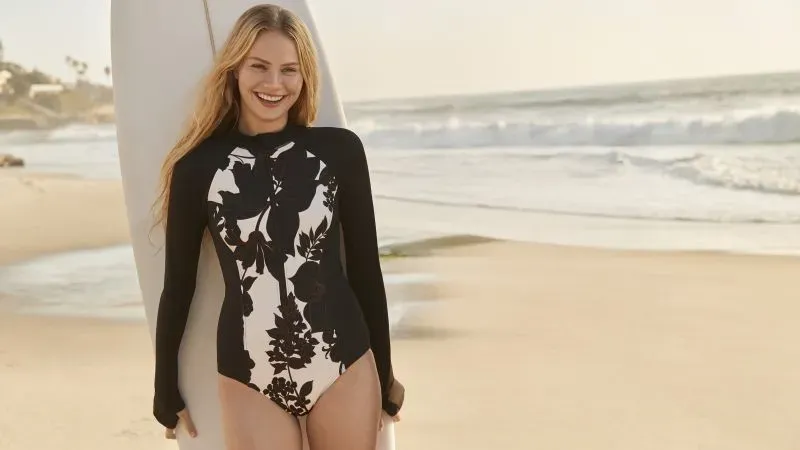
Understanding UPF vs. SPF helps you build a smarter, more dependable sun safety routine. We’ve spent decades perfecting comfortable, durable and inclusive swimwear and clothing for women, men and kids — combining style with performance and fit in pieces your family will love to wear.
Explore Lands’ End UPF 50 swimwear and sun wear for the whole family — built for comfort, designed to last and ready for every adventure under the sun.
Shop all Lands’ End Swimwear