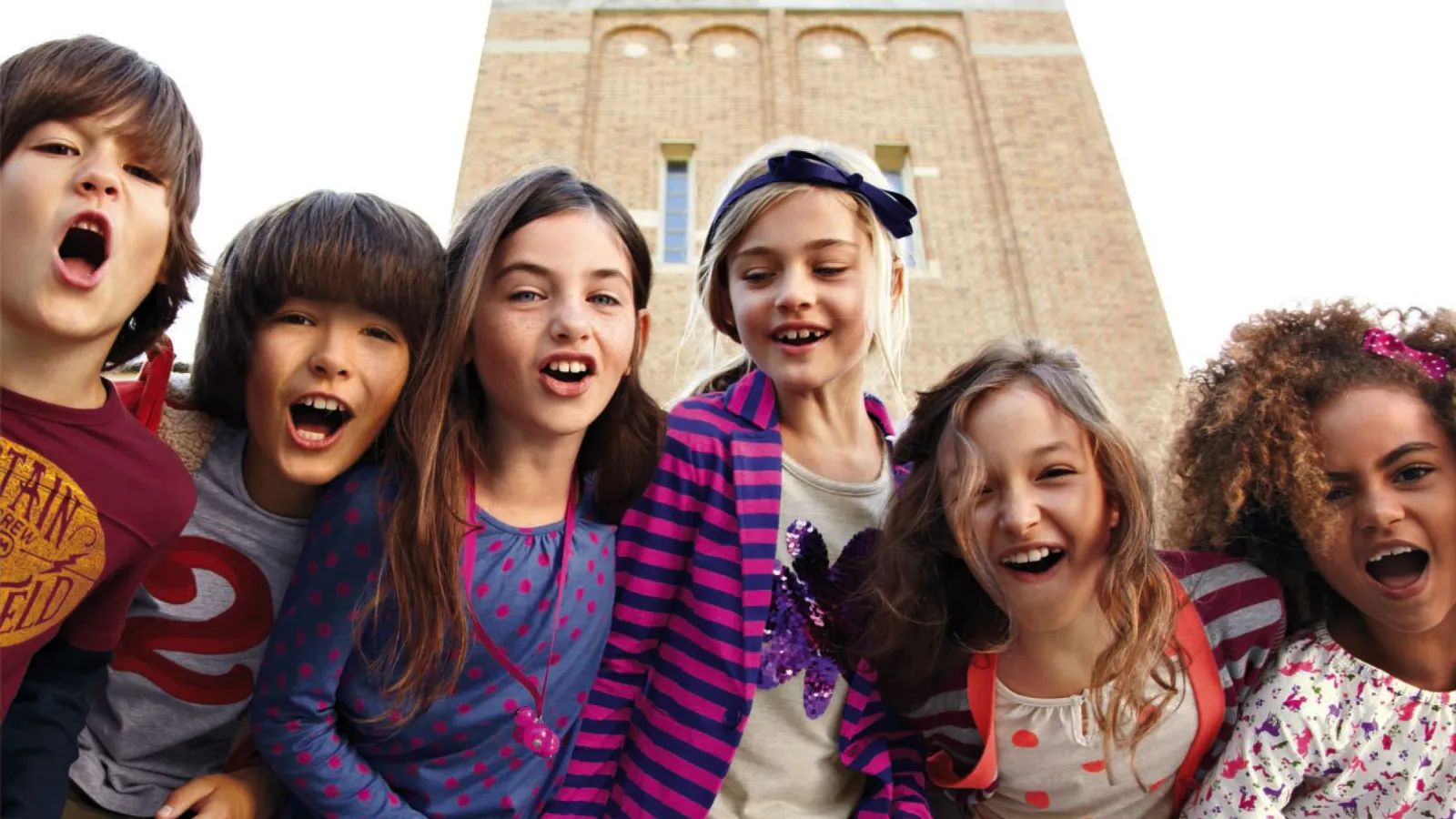
Back to school shopping is exciting, but for many parents it can also feel overwhelming. Kids grow faster than expected, the school year spans multiple seasons, and dress codes often limit what can—or can’t—be worn. Add busy schedules and budget concerns, and it’s easy to overbuy, underbuy, or miss key essentials altogether.
This guide is designed to simplify the process. You’ll find practical advice on what to buy, when to buy it, and how to shop smarter for the school year ahead—whether you’re building a capsule wardrobe, planning for growth spurts, or making sure outfits meet school requirements. We’ll cover everyday basics from kids’ apparel, must have school uniform sets, season ready layers from kids’ outerwear, and the finishing touches like backpacks and lunchboxes.
With a thoughtful plan and the right pieces in place, back to school shopping can be faster, more affordable, and far less stressful—setting kids up for comfort, confidence, and success from the first day to the last.
School Wardrobes for Kids: Fewer Pieces, More Outfits
What is a Back-to-School Wardrobe?
A school wardrobe — often called a capsule wardrobe — is a small, well planned collection of clothing that mixes and matches easily. Instead of buying lots of single use outfits, parents focus on versatile pieces that work together throughout the school week, after school activities and multiple seasons. The result is faster mornings, simpler laundry routines and fewer last minute shopping trips. Most importantly, it helps control back to school spending while still giving kids plenty of outfit options.
The Ideal Kids’ School Wardrobe Checklist
Building a balanced school wardrobe starts with the basics. These categories cover nearly every school day need:
- Tops (short + long sleeve): Polos, tees and long sleeve shirts that work on their own or layered
- Bottoms (uniform + casual): Uniform pants, skirts or skorts balanced with casual chinos, joggers or leggings
- Layering pieces: Cardigans, sweaters, fleeces and lightweight jackets for changing temperatures
- Shoes: Everyday sneakers plus one dressier or weather specific pair
- Accessories: Backpacks, belts, socks and cold weather add ons like hats or gloves
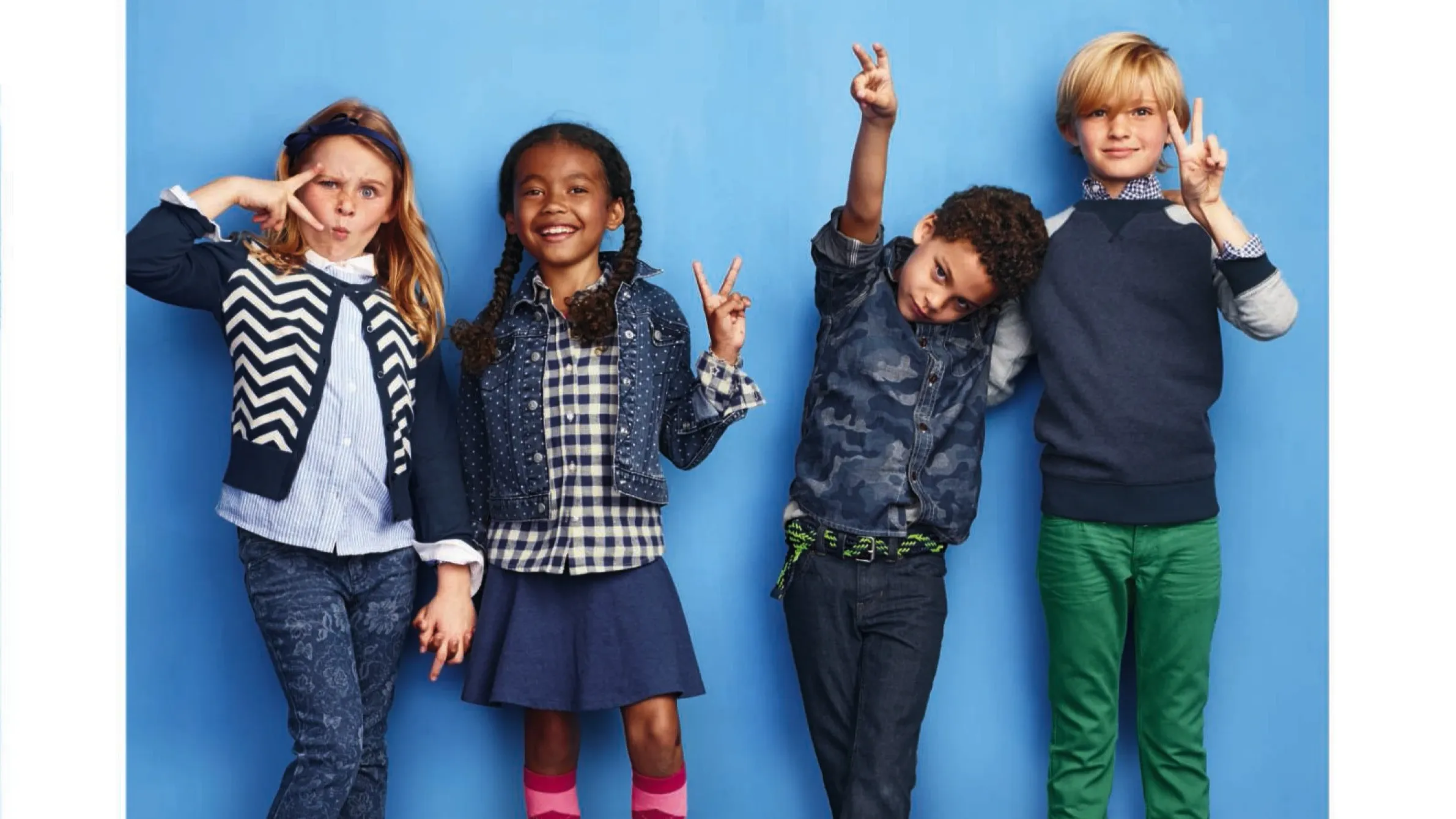
This mix ensures kids are ready for classroom time, recess and after school activities without overbuying.
How to Build a School Wardrobe That Lasts the Whole Year
The key to longevity is planning pieces that work together.
- Start with neutral bases. Navy, gray, khaki, black and white mix easily across uniforms and everyday outfits.
- Add color and personality. Use tops, backpacks or accessories to let kids express their style without limiting outfit combinations.
- Mix uniforms with everyday wear. A uniform polo can pair with casual bottoms at home, while everyday sweaters or fleeces often layer easily over uniform pieces. This flexibility stretches each item further across the week.
When most items can be worn more than one way, wardrobes stay functional even as the months and the weather change.
One Week Outfit Example from a Small Wardrobe
With a thoughtfully chosen wardrobe, a full week of outfits can come from a surprisingly small lineup of pieces:
- Monday: A classic polo paired with uniform pants and everyday kids’ sneakers creates a polished, first day ready look.
- Tuesday: A short or long sleeve top with chinos, and a lightweight fleece handles both classroom time and cooler playground moments.
- Wednesday: Keep things casual with a graphic tee, girls’ leggings or boys’ joggers and a comfortable hoodie that layers easily.
- Thursday: Dress code ready and versatile, a button down or polo shirt works with a uniform skirt or pants, finished with a cozy cardigan.
- Friday: End the week comfortably with a sweatshirt, joggers and go anywhere sneakers—perfect for school days that lead straight into weekend activities.
By focusing on interchangeable staples like polos, knits, uniform bottoms and easy layers, families can create a week’s worth of outfits that rotate seamlessly — saving time, minimizing excess and keeping kids comfortable and dress code ready all year long.
Growth & Adjustable Clothing: Buy Once, Wear Longer
Why Growth Friendly Clothing Matters for School
Kids don’t grow on a predictable schedule, and few things are more frustrating than school clothes that fit perfectly in September but feel tight by winter. Choosing growth friendly clothing helps families get more wear out of each piece, which translates to clear cost savings over the school year. Beyond budget benefits, adjustable and flexible clothing also supports comfort and confidence, so kids can focus on learning and playing instead of tugging at waistbands or feeling restricted as they move.
Features to Look for in Adjustable School Clothes
Smart design makes a big difference when it comes to longevity. The most versatile school ready pieces often include thoughtful details that adapt as kids grow.
- Adjustable waistbands help pants, skirts and shorts fit properly through growth spurts without sacrificing comfort or appearance.
- Extendable hems and cuffs add extra length when needed, allowing garments to stretch across multiple seasons or school years.
- Stretch fabrics provide flexibility for sitting, bending and running while maintaining their shape over time.

These features work together to ensure clothing continues to fit well, even as kids’ bodies change.
Durable Fabrics That Stand Up to the School Year
Longevity isn’t just about fit — it’s also about fabric performance. School days are full of activity, spills and repeat washes, so durability matters.
- Reinforced knees help pants withstand recess, playground wear and everyday rough-and-tumble movement.
- Fade resistant colors keep uniforms and everyday staples looking polished wash after wash.
- Stain resistant finishes make it easier to handle lunchtime mishaps and art room accidents without constant replacing.
Clothing built with these features holds up better across the many demands of the school year.
Smart Sizing Tips for Back to School
A little strategy goes a long way when choosing sizes.
- When to size up: For pants, outerwear and layering pieces, buying slightly larger can extend wear — especially when adjustable details are built in.
- When not to size up: Tops that need to look dress code ready, like polos or button downs, should still fit properly through the shoulders and sleeves.
- Layering considerations: Make sure mid layers and jackets allow room for sweaters or fleeces underneath without restricting movement.
By pairing the right size strategy with adjustable, durable designs, parents can build a school wardrobe that lasts longer, wears better and delivers greater value from the first bell to the last.
Dressing for the School Year: Seasonal Must Haves
Because the school year stretches from late summer into spring, kids’ wardrobes need to handle a wide range of temperatures and conditions. Planning for seasonal shifts ahead of time helps avoid mid year scrambling and ensures kids stay comfortable, prepared and dress code ready no matter the weather.
Fall & Spring: Lightweight Layers
Transitional seasons call for pieces that can be worn on their own or layered as temperatures change throughout the day.
- Breathable polos and tees form the foundation of everyday school outfits, keeping kids comfortable during warmer afternoons and easily pairing with layers when mornings are cool.
- Light jackets and fleeces provide just enough warmth for crisp starts and breezy recess periods, without feeling bulky or restrictive inside the classroom.
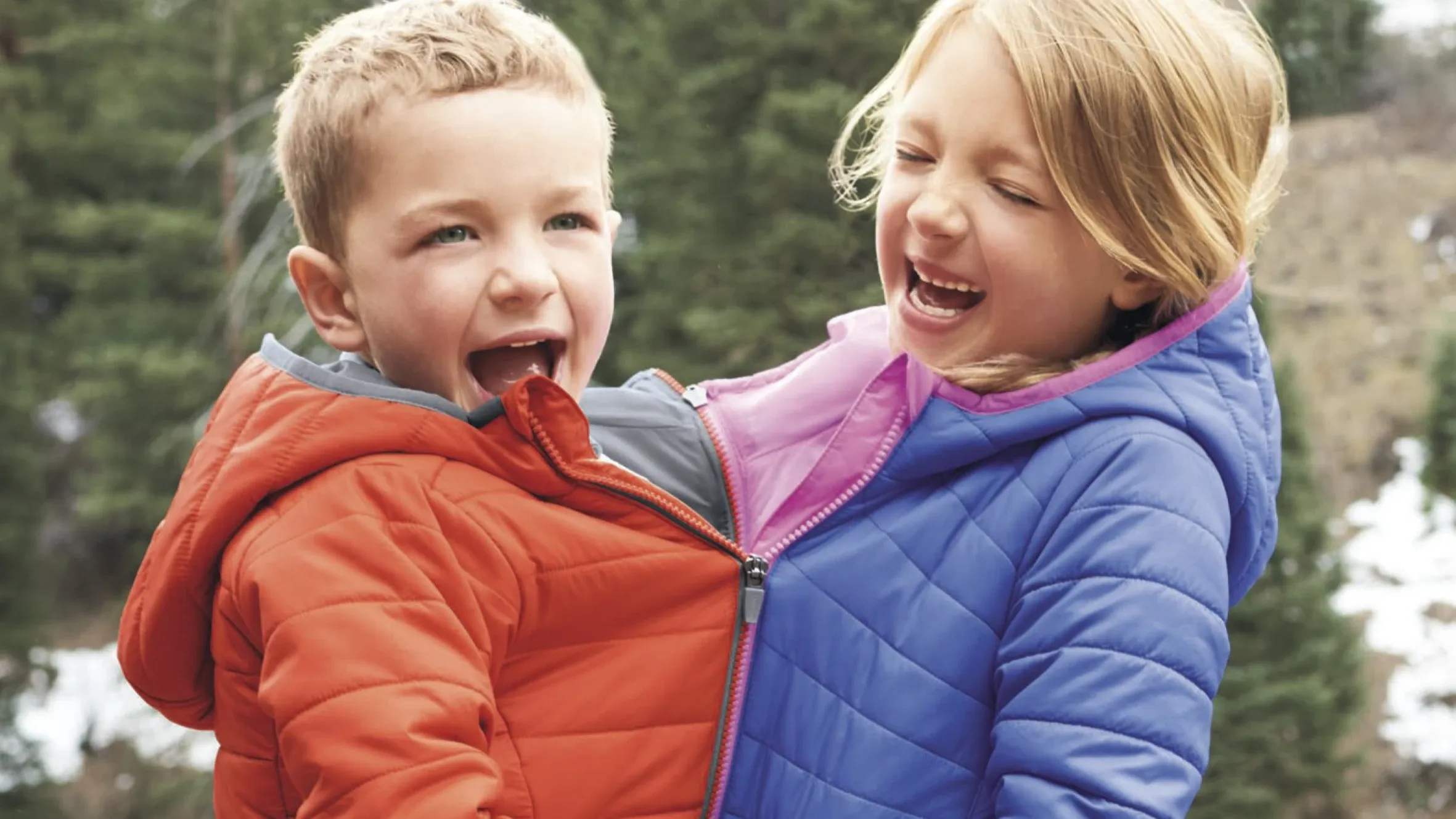
These adaptable items often see the most wear because they work across multiple months.
Winter: Warmth Without Bulk
Cold weather doesn’t mean kids need to feel weighed down. The right pieces provide insulation while still allowing movement and comfort indoors.
- Insulated coats protect against cold, wind and snow while remaining lightweight enough for daily wear.
- Sweaters and uniform approved layers add warmth indoors and fit easily over polos or button down shirts.
- Cold weather accessories — such as hats, gloves and scarves — offer extra protection during commutes and outdoor play without complicating outfits.
Focusing on slim, flexible layers helps kids stay warm without feeling overheated during the school day.
Rain & Unpredictable Weather Gear
Sudden weather changes are part of the school year, especially during fall and spring.
- Waterproof jackets help kids stay dry on rainy mornings and damp afternoons.
- All weather shoes and boots provide traction and protection on wet sidewalks, muddy playgrounds and slushy walkways.
Keeping at least one reliable rain ready option on hand prevents weather from disrupting the school routine.
The Simple School Day Layering Formula
A straightforward layering system makes it easy for kids to adjust throughout the day:
- Base layer: Soft, breathable tees or polos worn closest to the skin
- Mid layer: Sweaters, fleeces or light sweatshirts for insulation
- Outer layer: Jackets or coats designed for the season and conditions
This formula allows kids to add or remove layers as needed, staying comfortable from early morning drop off through afternoon dismissal—no matter what the forecast brings.
School Uniforms: What to Buy & How to Stay Dress Code Ready
School uniforms simplify mornings and help keep kids focused on learning — but only when the right pieces are in place. Building a reliable uniform lineup starts with the essentials and focuses on comfort, fit and flexibility so kids actually enjoy wearing them day after day.
School Uniform Essentials for Kids
A well rounded uniform wardrobe includes a few dependable staples that mix easily and meet most dress code requirements.
- Polos: Short and long sleeve polos serve as the foundation of many school uniforms. They transition easily between seasons and pair well with sweaters and jackets.
- Pants, skirts and skorts: Having a rotation of uniform approved bottoms helps spread out wear and makes laundry routines easier. Durable construction is especially important for everyday use.
- Sweaters and layering pieces: Cardigans, pullovers and fleeces add warmth while staying classroom appropriate, making them essential for cooler days and temperature controlled school buildings.
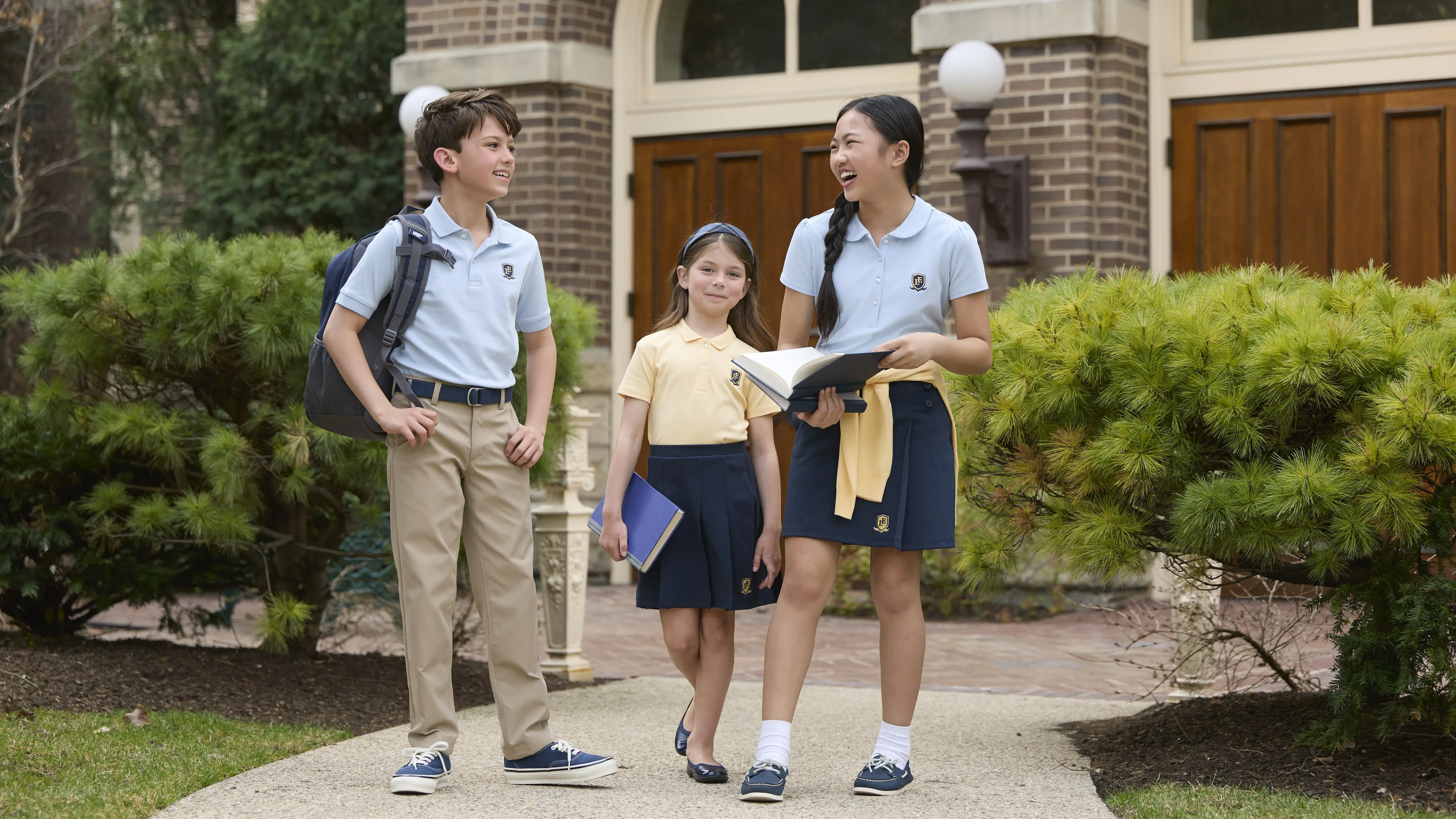
With these core items, kids can rotate outfits throughout the week without repeating the same look every day.
How to Choose Uniforms Kids Will Actually Wear
Comfort plays a major role in whether uniforms get worn willingly or reluctantly.
- Comfort features like soft fabrics, flexible waistbands and lightweight designs help kids move freely during long school days.
- Fit and fabric considerations matter just as much. Breathable materials keep kids comfortable indoors, while durable fabrics ensure uniforms hold their shape and color after frequent washing.
When uniforms feel good and fit well, kids are more confident and mornings tend to go more smoothly.
Customization & School Logo Options
Personalized uniforms can make dress codes feel more personal while still staying compliant.
- Embroidery and personalization allow families to add school logos, names, or initials for a polished, official look.
- Ordering tips for families: Check school guidelines before ordering customized items and consider buying a few basics first to confirm fit before placing larger orders. Planning ahead also helps ensure uniforms arrive in time for the first day.
- The school uniform enrollment program at Lands’ End helps ensure parents are shopping from a curated assortment of dress code approved styles, colors and logos, reducing guesswork and providing confidence that every item meets school requirements.
By focusing on quality essentials, thoughtful fit and optional customization, parents can create a uniform wardrobe that’s practical, polished and built to last throughout the school year.
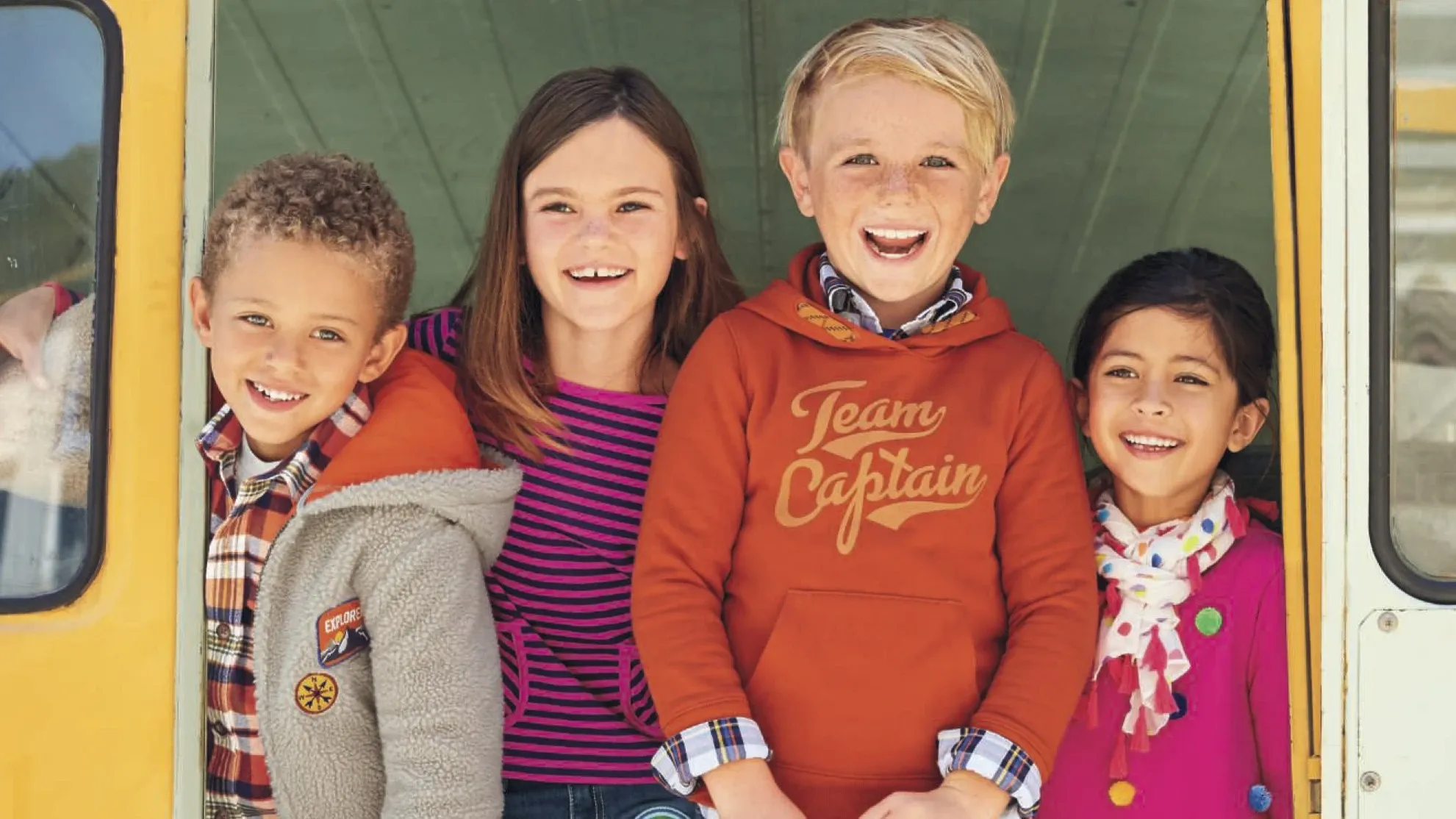
Shopping Smart: Why Parents Choose Lands’ End
Back to school shopping is easier when quality, comfort and value come standard. Parents trust Lands’ End for durable clothing built to last through full school days, busy weeks and frequent washes without sacrificing comfort or style. Every piece is designed with kid-tested comfort in mind and offered in inclusive sizing and fit options, so kids can move, learn, and play with confidence.
To get the most value, start with core essentials, watch for seasonal savings and choose pieces that work double duty for both school and everyday wear. From classroom staples to weather ready layers, Lands’ End makes it simple to build a wardrobe that goes further throughout the year.
With one stop back to school shopping for:
- Clothing
- Outerwear
- Shoes
- Backpacks and accessories
… everything you need is in one place — thoughtfully designed, easy to mix and match and built for real life.
Ready to check everything off your back to school list?
Shop all Kids’ Clothing