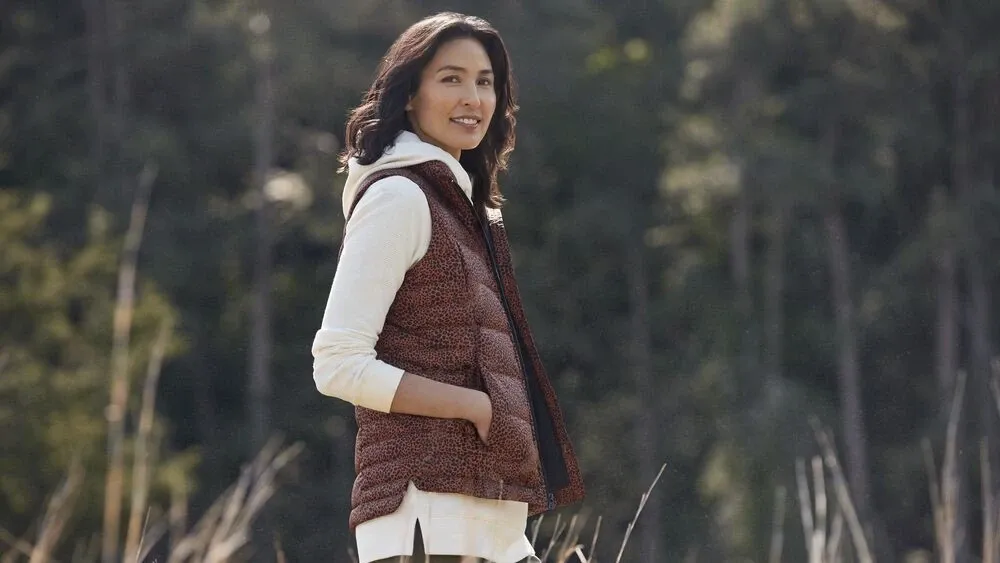
When the forecast sits somewhere between chilly and mild, choosing the right jacket can make the difference between feeling prepared and spending the day adding and removing layers. In 40- to 60-degree weather, the best outerwear depends on more than the temperature alone. Wind, rain, sunshine, activity level and whether you are commuting, walking the dog, heading to work or spending time outside all change what kind of layer makes sense.
Lands’ End makes it easier to build a flexible cool-weather wardrobe because shoppers can choose from light jackets, rain shells, fleece layers, vests, denim jackets, shirt jackets and packable down styles that are designed to work together. Instead of relying on one heavy coat too early in the season, you can layer smarter with transitional outerwear that keeps you comfortable from mild 60-degree afternoons to crisp 40-degree mornings.
Types of Jackets for Cool and Mild Weather
Blazers and Sport Coats for Mild Days
As summer fades and fall weather approaches, blazers and suit jackets are a smart choice when you want structure without too much insulation. A blazer works well for office commutes, dinners, travel days and fall gatherings because it adds a finished layer over a sweater, button-down or knit top. It is not usually the warmest jacket in your closet, but that is part of its value when the weather is mild and you need just enough coverage.
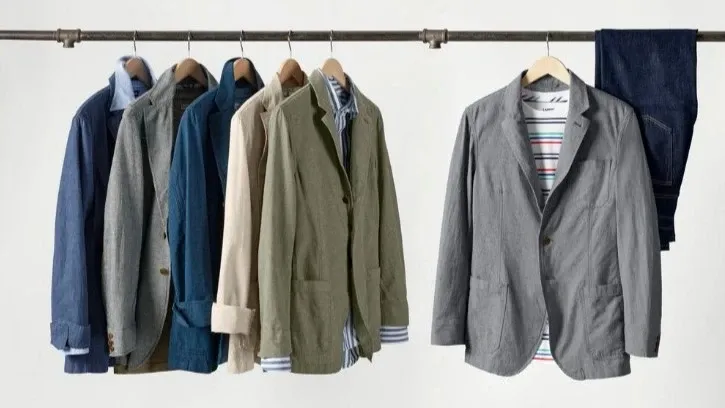
At Lands’ End, shoppers gain the benefit of classic silhouettes, reliable fabrics and easy styling options that move from weekday wear to weekend plans. For 50-degree weather that feels dry and calm, a blazer over a light sweater can look refined without feeling bulky.
Denim Jackets for Trendy Fall Layering
Denim jackets are a classic option for stylish layering in the fall, especially when temperatures hover in the 50s or low 60s. They offer more coverage than a cardigan but less warmth than fleece or down, making them a good choice for dry days, casual outings and easy weekend outfits. A denim jacket over a sweatshirt or hoodie is one of the most dependable fall layering options because it gives you breathable warmth and a relaxed look.
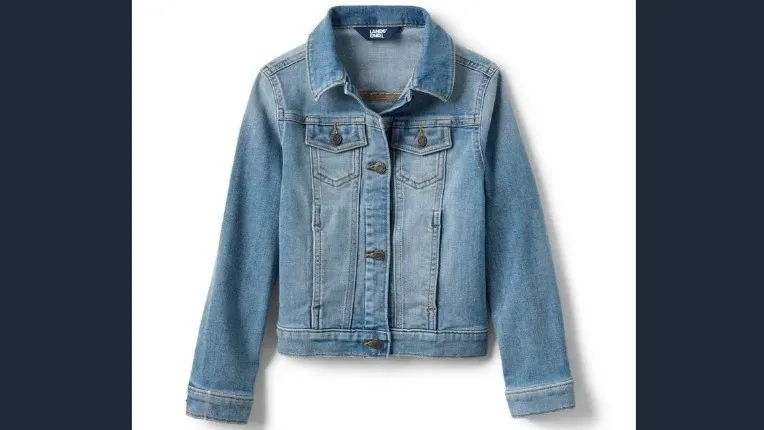
The Lands’ End advantage is versatility. Denim outerwear pairs naturally with tees, flannels, sweaters and hoodies, so shoppers can wear one jacket across different parts of the season. It’s a stylish layer when a heavy coat feels like too much, but a single layer is not enough.
Rain and Wind Jackets for Breezy or Damp Weather
When shoppers ask what jacket to wear in 50-degree weather, the answer often depends on the wind. Rain and wind jackets are not always heavily insulated, but they can feel warmer than a sweater or hoodie in gusty, damp conditions because they help block the elements. That makes them especially useful for commutes, school drop-off, travel, outdoor errands with unpredictable fall forecasts.
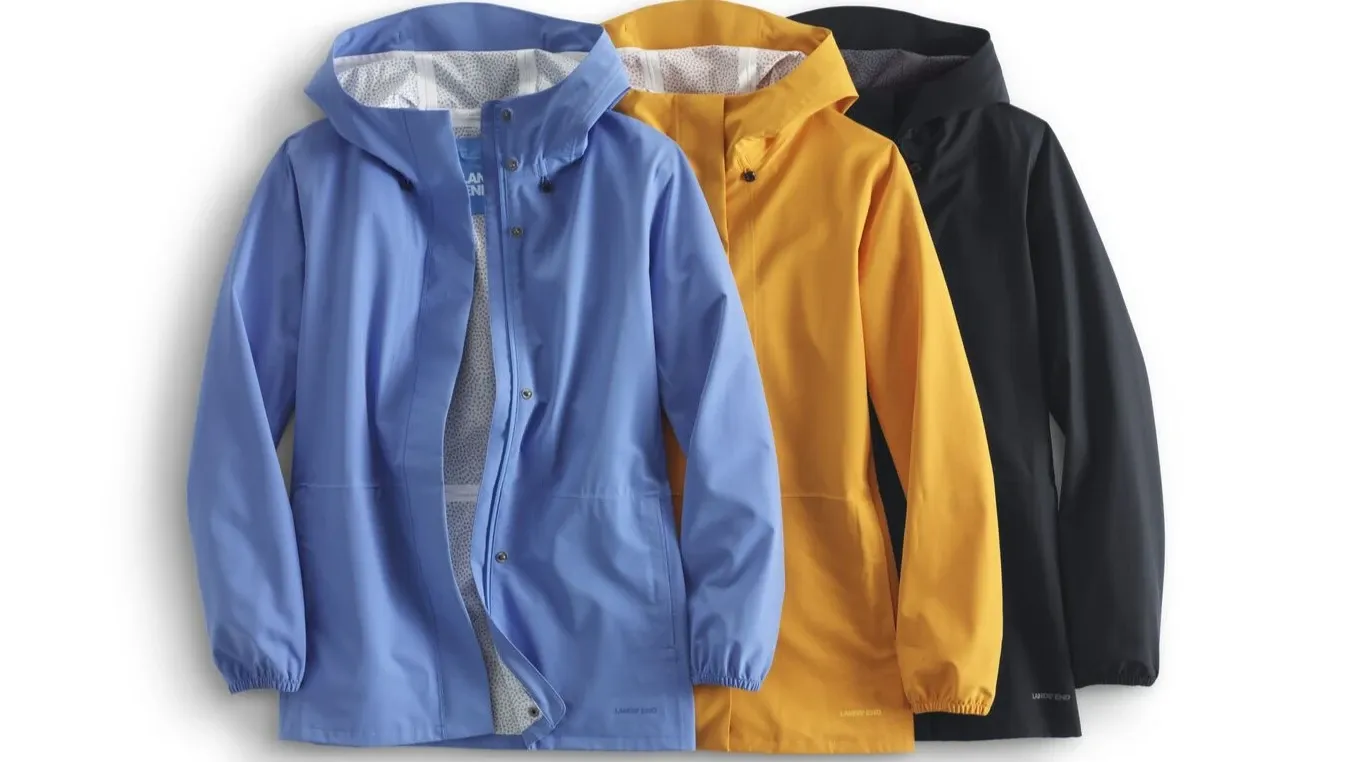
For anyone comparing a rain jacket vs windbreaker, think of it this way: both are useful outer layers, but rain-focused styles help with wet weather while windbreakers are built for breezy days and light protection. Lands’ End gives shoppers practical options across this category, including packable styles and Squall weather protection, so you can choose the right shell for the day instead of overheating in a winter coat.
Sweaters, Sweatshirts, Hoodies and Vests for Everyday Warmth
For 45- to 60-degree weather, layering often starts with the pieces you already reach for every week. Lands’ End sweaters add soft warmth under jackets without feeling too heavy, while sweatshirts and hoodies create a casual layer that works well with denim jackets, vests and rain shells.
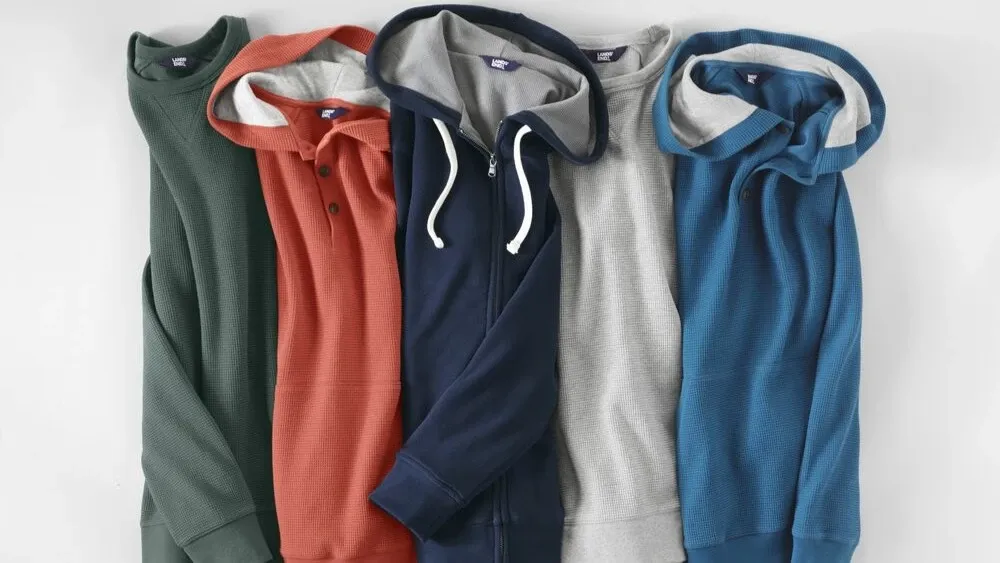
Adding a vest is one of the easiest ways to increase warmth without adding bulk through the arms. A vest keeps the core warmer while leaving room to move, which is useful for walking, driving, yard work, outdoor games or running errands. It also helps shoppers stretch lightweight outerwear further into the season by turning a sweater, fleece or hoodie into a more weather-ready outfit.
Shirt Jackets for Relaxed Transitional Outerwear
Shirt jackets, sometimes called shackets, are ideal transitional outerwear because they sit between a button-down shirt and a jacket. They add more coverage than a flannel but feel less structured than a blazer, making them an easy choice for casual fall outfits. Wear one over a sweater for soft warmth or over a hoodie when you want a laid-back layer with extra coverage.
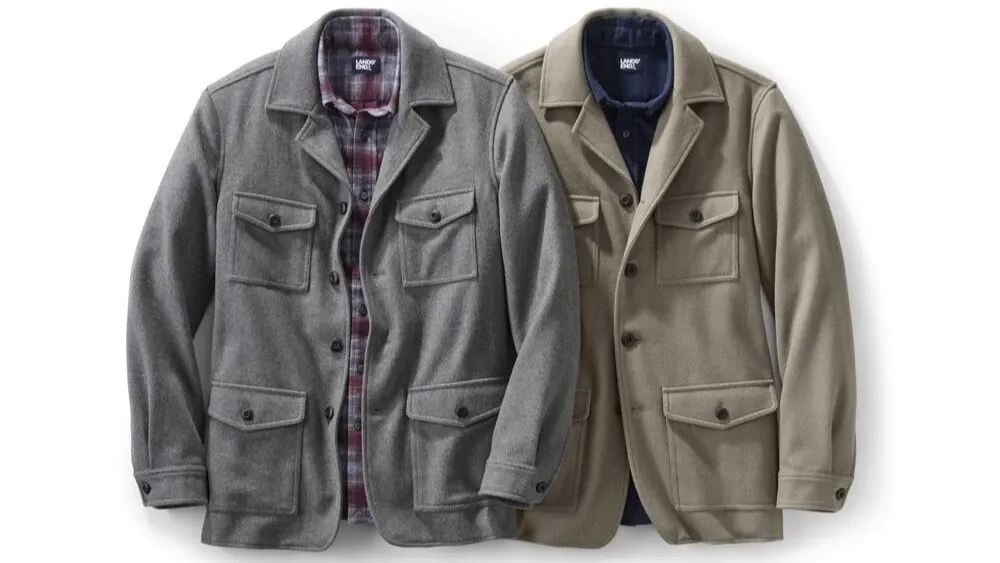
At Lands’ End, the value of a shirt jacket comes from its day-to-day usefulness. It can be worn open over a tee when the afternoon warms up or buttoned over a knit layer when temperatures dip. For shoppers building a fall wardrobe, a shirt jacket is one of those easy pieces that makes cool-weather dressing feel simple.
Fleece for Lightweight Warmth
Fleece is one of the best lightweight outerwear choices for cool weather because it holds warmth without the weight of a heavier coat. It works as an outer layer on dry 50-degree days and as a midlayer under a rain or wind jacket when the weather turns breezy. For outdoor activities, fleece plus a vest is warmer than most sweater or sweatshirt combinations while still feeling easy to move in.
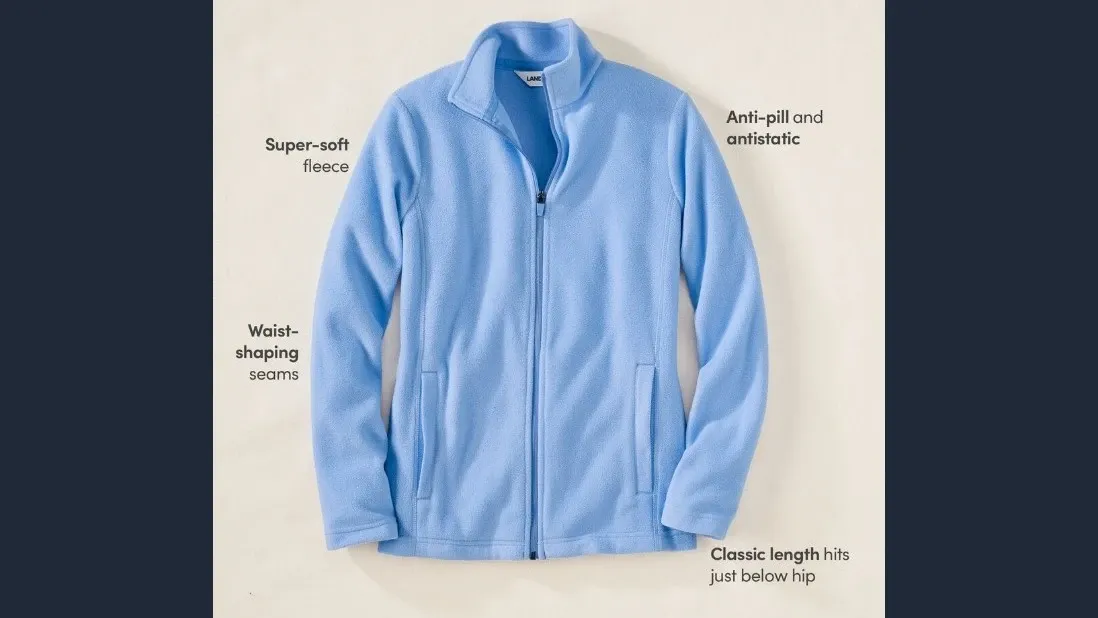
Lands’ End fleece options are especially useful because shoppers can choose different weights, silhouettes and zip styles for different activities. A quarter-zip fleece is great for layering, a full-zip fleece is easy to remove indoors, and weather-minded fleece styles can help bridge the gap between a sweatshirt and a jacket.
WanderWeight for Packable Warmth
When temperatures drop closer to 40 degrees, a light down jacket or vest becomes one of the most useful layers you can own. Lands’ End WanderWeight lightweight packable outerwear is designed for packable warmth that feels surprisingly light and can pack into its own pocket, making it a strong choice for travel, commuting and changing fall weather.
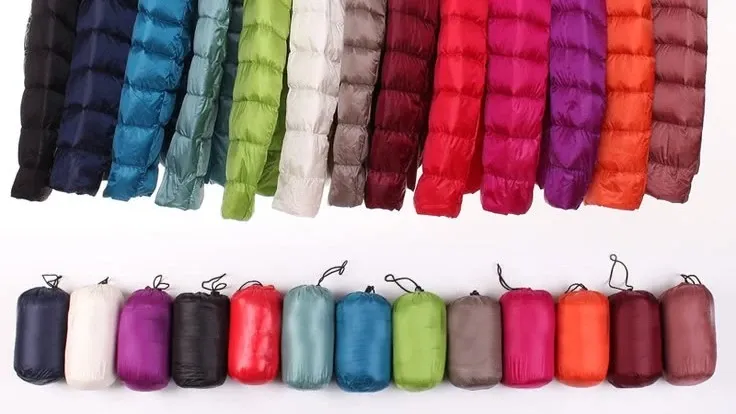
WanderWeight jackets and vests are valuable because they add warmth without the bulk of a winter parka. They are easy to keep in a bag, car or office and can be layered over sweaters, fleece or sweatshirts when the morning is cold but the afternoon warms up. For shoppers looking for jackets for 40-degree weather that still feel practical for everyday wear, this category is a smart place to start.
Layer Smartly When Temperatures Start to Dip
Layering for 40- to 60-degree weather does not have to be complicated. Start with a comfortable base, add a warm midlayer when needed, then finish with a jacket that matches the day’s conditions. The goal is simple: build outfits that can adjust as temperatures rise, wind picks up or light rain moves in.
Light Layering Combinations for 50° to 60°F
When dressing for 50- to 60-degree days, light layers are usually enough for everyday activities like commuting, running errands, school drop-off, walking the dog, heading to work or meeting friends for dinner. The key is choosing breathable pieces that add coverage without trapping too much heat, especially when the day starts cool but warms up by afternoon. If wind or light rain is in the forecast, add a protective outer layer so your outfit feels comfortable in changing conditions.
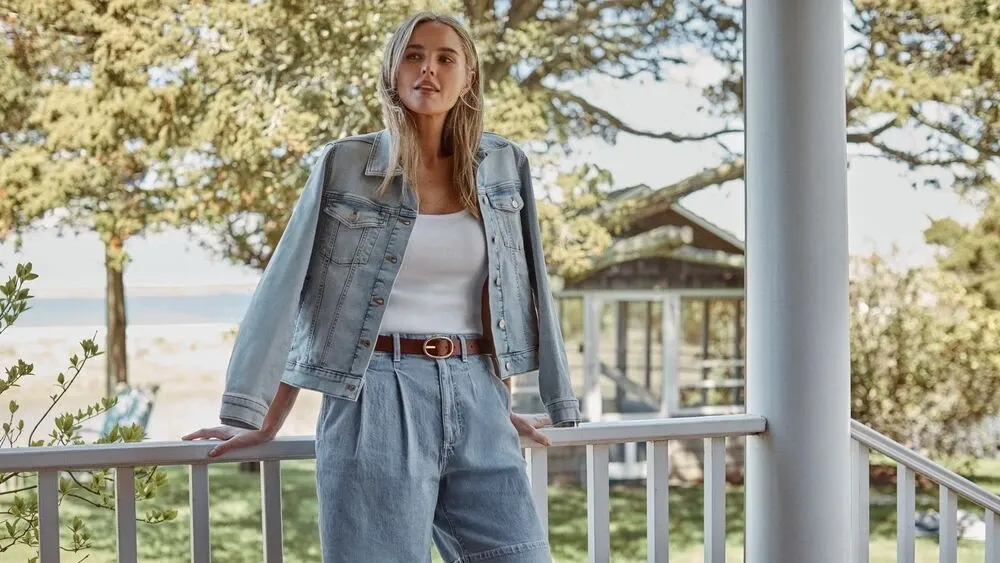
Try these light layers in mild conditions:
- Light sweater + blazer or suit jacket: Good for work, dinner or a more put-together fall outfit.
- Sweatshirt or hoodie + denim jacket: Casual warmth for errands, school drop-off or weekend wear.
- Fleece + rain or wind jacket: Smart for breezy or damp weather when you need warmth plus protection.
- Sweatshirt or hoodie + rain or wind jacket: Good for walks, commutes and light rain.
- Sweater + rain or wind jacket: Better for damp, windy 50-degree days than a sweater alone.
Medium-Warm Layering Combinations for 45° to 55°F
When heading out into 45- to 55-degree weather, medium-warm layers are helpful for longer commutes, outdoor errands, weekend activities, school events, casual gatherings and days that start cool but warm up later. This range often calls for more core warmth without the bulk of a heavy coat, so vests, fleece, shirt jackets and denim layers can help keep outfits comfortable, flexible and easy to adjust throughout the day.
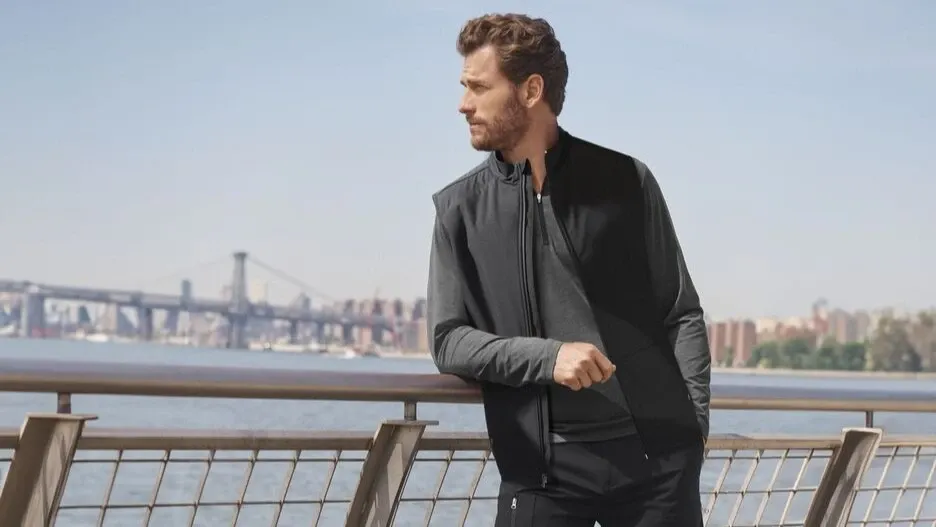
Find comfort in these combinations:
- Sweater + vest: Adds core warmth while keeping the arms less bulky.
- Sweatshirt or hoodie + vest: One of the easiest casual fall layering formulas.
- Fleece + vest: Warmer than most sweater or sweatshirt combinations and great for outdoor activities.
- Sweatshirt or hoodie + shirt jacket: A casual cool-weather outfit with extra coverage.
- Sweater + shirt jacket: Soft, easy layering that feels more relaxed than a blazer.
- Denim jacket + vest: Works best when the vest is worn over or under the denim jacket, depending on fit.
Warmer Layering Combinations for 40° to 50°F
When temperatures cool to 40- to 50- degrees, warmer layers are helpful for cold morning commutes, outdoor sporting events, travel days, weekend activities, early school drop-off and longer walks in chilly air. This temperature range often calls for more insulation than a light jacket alone, but the best combinations should still be easy to adjust indoors or as the day warms up. If the forecast includes wind, damp conditions or changing temperatures, choose layers that balance warmth, core coverage and weather protection.
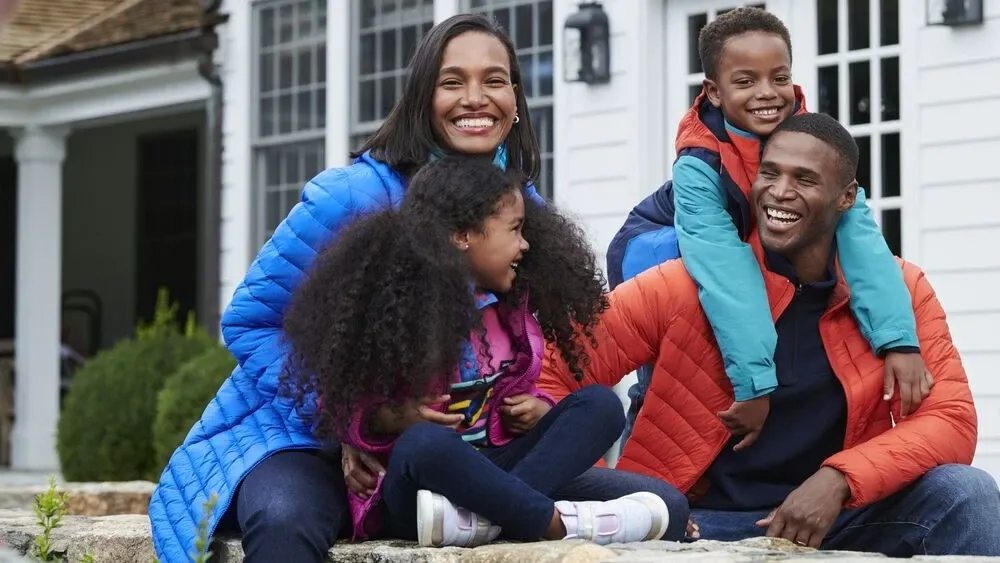
Add an extra layer when fall gets serious:
- Sweater + light down jacket: Simple, warm and easy to adjust indoors.
- Sweatshirt or hoodie + vest + rain or wind jacket: Practical for outdoor activities when the weather is unpredictable.
- Fleece + vest + rain or wind jacket: Very warm for 40-degree weather, especially if it’s damp and windy.
- Sweater + vest + light down jacket: A warmer cold-morning combination that still feels less bulky than a heavy winter coat.
- Fleece + vest + light down jacket: The warmest layered combination from this list.
How to Choose the Right Jacket for the Day
If the forecast is around 60 degrees and dry, reach for a blazer, denim jacket, shirt jacket or light sweater layer. If it is around 50 degrees and breezy, add a rain or wind jacket over a sweater, hoodie or fleece. If it is closer to 40 degrees, start with fleece, a vest or a light down jacket and consider a weather-resistant shell when wind or rain is part of the forecast.
Activity level matters, too. For commuting, choose layers that are easy to remove once you get inside. For walking, travel or outdoor weekend plans, prioritize fleece, vests, rain shells and packable warmth. For work or smart-casual plans, a sweater with a blazer or shirt jacket keeps the outfit refined without making it feel like full winter outerwear.
Why Shop Lands’ End for Light Jackets?
Lands’ End makes it easier to dress for changing weather with dependable layers designed for comfort, durability and everyday versatility. With options for different temperatures, activities and personal styles, shoppers can build a cool-weather wardrobe that works across the season instead of relying on one jacket for every forecast. The real value is in having pieces that layer easily, wear well and help the whole family feel prepared for whatever the day brings. Explore Lands’ End outerwear to find the right layers for crisp mornings, mild afternoons and everything in between.
Shop all Outerwear