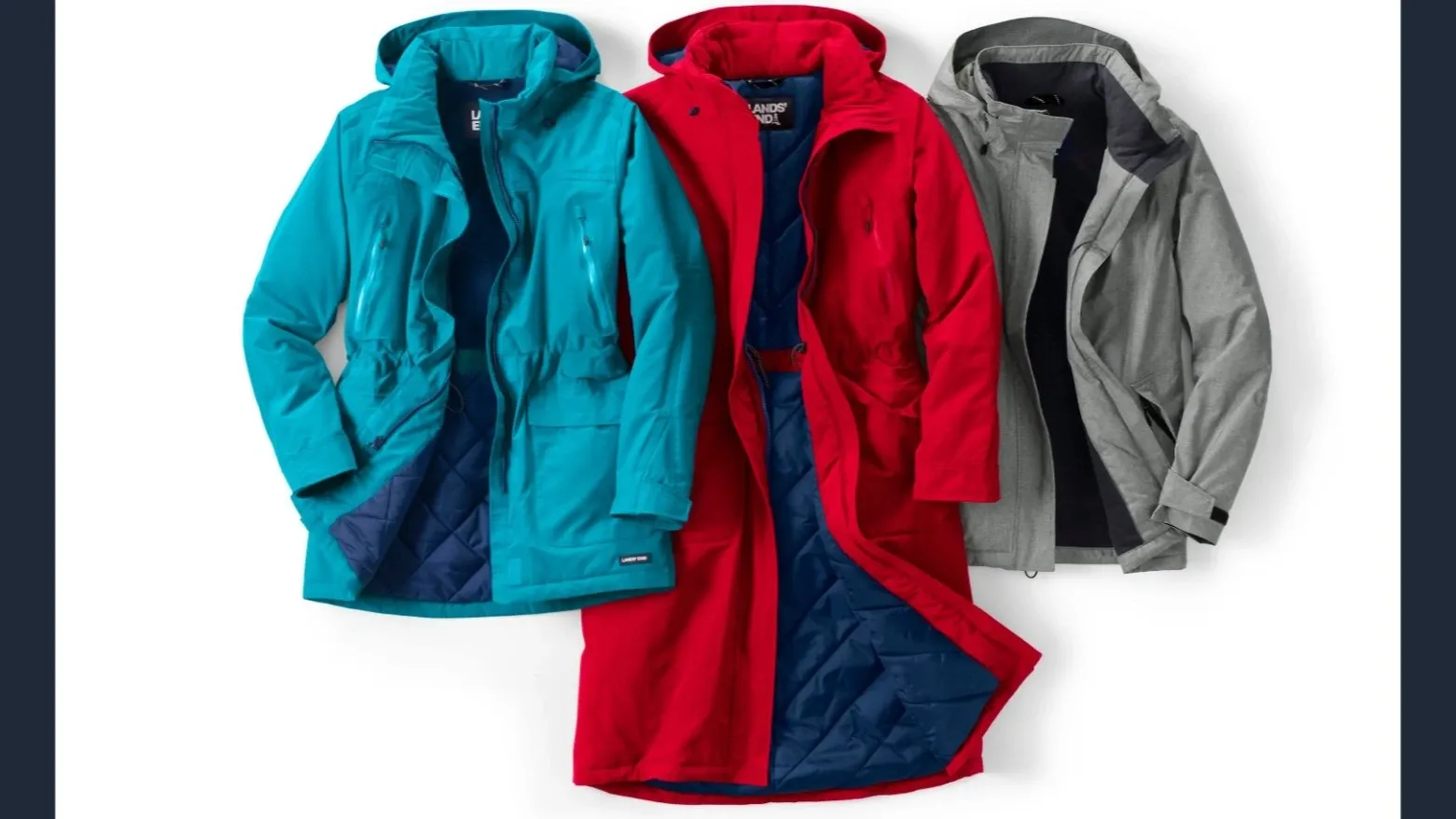
When the forecast falls somewhere between 20 and 40 degrees, the right jacket can make the difference between rushing back inside and enjoying the day. This is the kind of cold that asks for more than a light layer, but it does not always call for your heaviest winter coat. Wind, damp air, snow flurries and changing activity levels all matter, which is why the best jacket for 20 to 40 degree weather depends on how you plan to wear it.
At Lands’ End, you can build a cold-weather wardrobe around dependable warmth, practical coverage and classic styles made for real life. From soft fleece jackets for chilly days to insulated parkas built for winter weather, each style is designed to solve a different cold-weather need. The value is versatility: you can find a jacket that fits your climate, your commute, your weekend plans and your layering preferences without giving up comfort or timeless style.
How to Choose a Jacket for 20 to 40 Degree Weather
Start with the temperature, then factor in wind, moisture and activity level. If you run warm or plan to be active, a fleece, shell or lightweight insulated jacket may be enough in the upper 30s. If you will be standing still, commuting in wind or spending extended time outside, choose a warmer insulated jacket, down puffer or longer coat.
Length matters, too. Shorter jackets are easier to move in and often feel more casual, while longer coats add coverage where cold air tends to sneak in. A hood can be a major advantage in windy or snowy weather. Adjustable cuffs, storm flaps and higher collars help seal in warmth. If your weather shifts often, a 3-in-1 jacket gives you the most flexibility because it adapts across changing conditions.
Not every winter forecast calls for the same level of warmth, which is why it helps to think in temperature ranges. The following guide breaks down Lands’ End jacket options by the kind of cold they are best suited for, starting with the lighter layers that work well when temperatures stay above freezing.
The Best Jackets for 30° to 40°F
In 30 to 40 degree weather, the goal is balanced warmth. You want enough insulation to stay comfortable when the air feels sharp, but not so much bulk that you overheat while walking the dog, running errands or heading into the office. This is where fleece, lightweight outerwear and sport-inspired shells earn their place.
Fleece Jackets: Soft Warmth for Everyday Layers
A fleece jacket is one of the most useful pieces you can own for cool-to-cold weather. It feels soft, adds reliable warmth and layers easily under a heavier coat when the temperature drops. For days in the upper 30s, a fleece can work as an outer layer over a long sleeve tee, thermal top or sweater. For colder mornings in the low 30s, it becomes an insulating middle layer that helps trap warmth without adding stiff bulk.
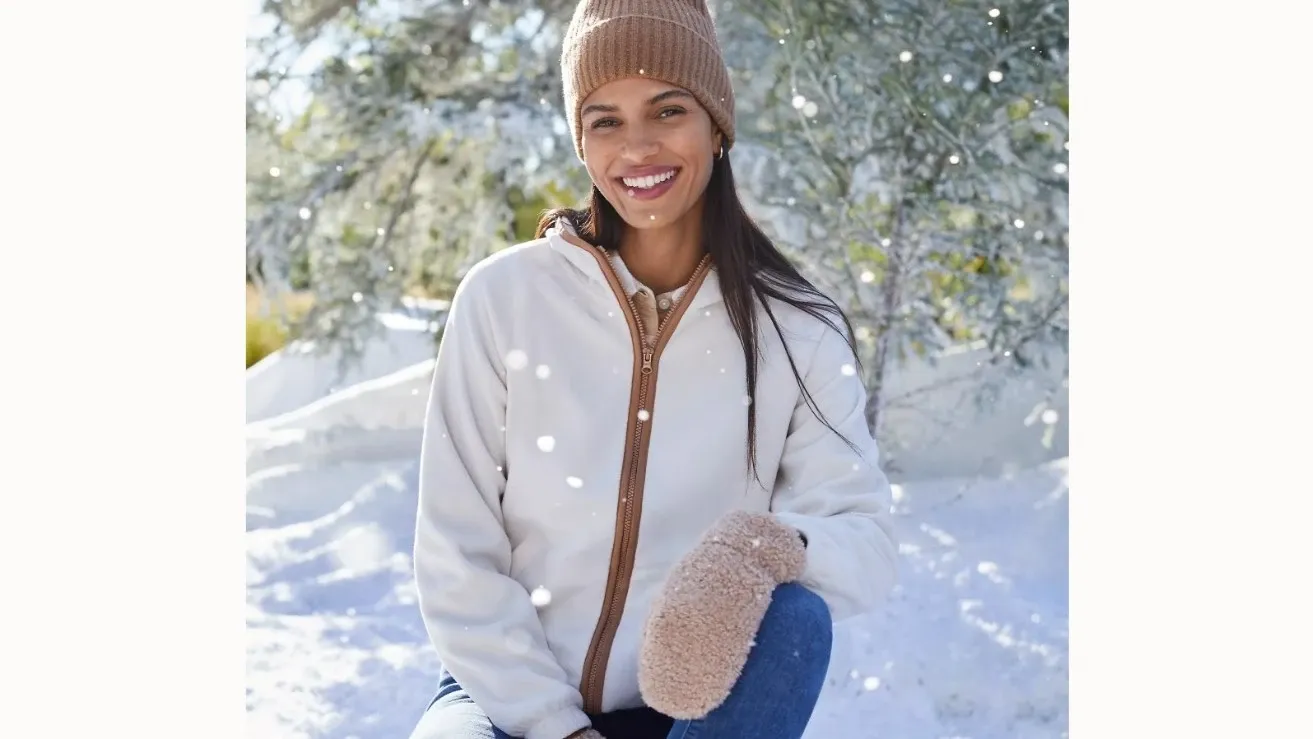
Our Pick: Women’s Anyweather™ RainDefense Fleece Full Zip Jacket
Lands’ End fleece jackets are especially valuable because they offer easy comfort in a wide range of styles. They are practical for quick errands, brisk walks, school drop-offs and travel days when you need something warm but not overly heavy. If you want a fleece with added weather-minded construction, the women’s AnyWeather Fleece full-zip jacket is a smart pick because it offers the cozy feel of fleece with extra protection for damp, drizzly conditions.
Squall Shell Jackets: Wind and Weather Protection Without Heavy Bulk
When 30-to-40-degree weather comes with wind, light rain or damp air, a shell jacket can be the better choice. The value of a Squall® outer shell is protection. It helps block the elements so your layers underneath can do their job. Lands’ End Squall styles are known for wind and rain protection, including seam-sealed construction across the collection, making them a dependable option for unsettled weather.
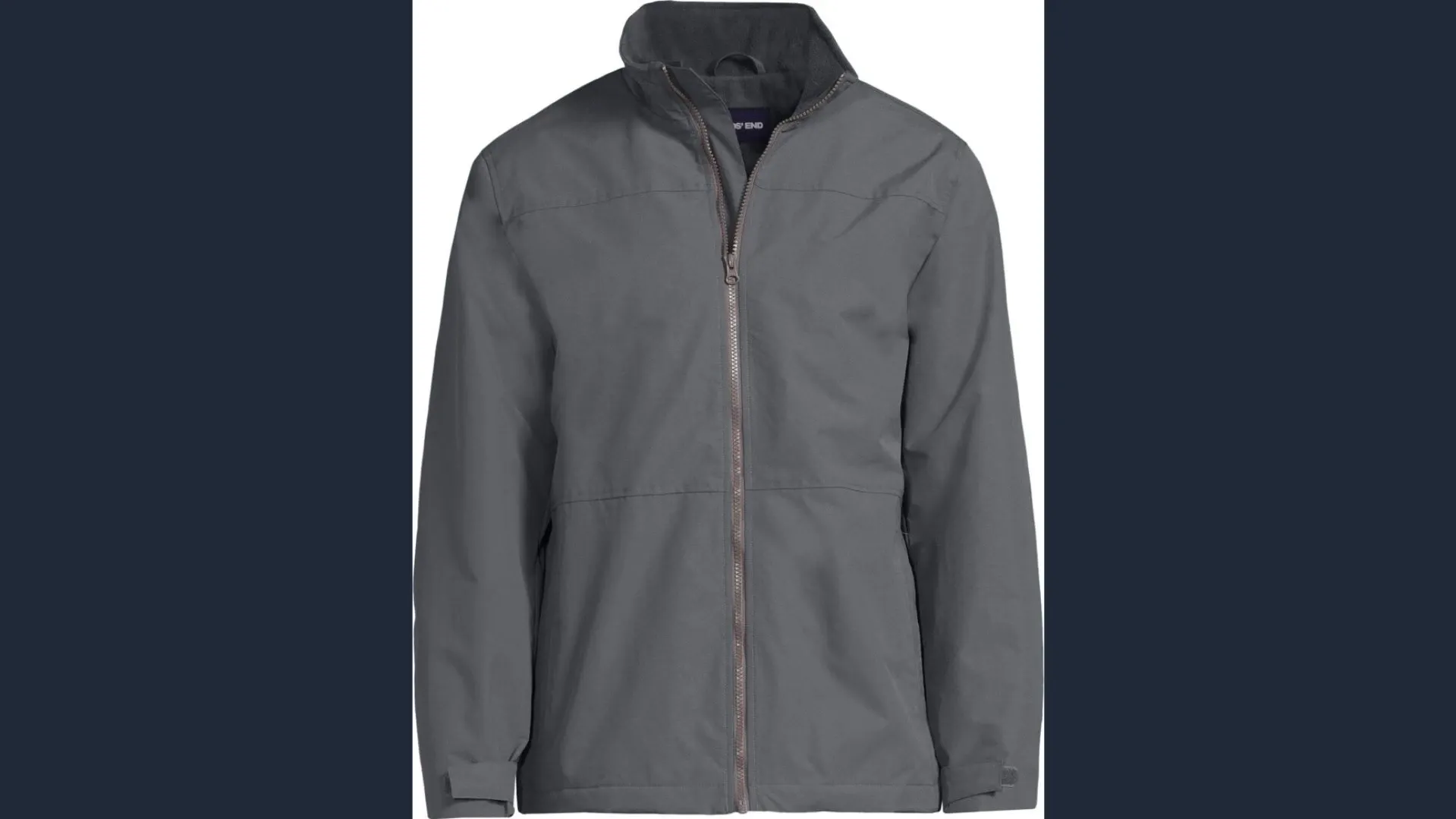
Our Pick: Men’s Sport Squall Jacket
When comparing Squall shell jackets, the biggest benefit is everyday versatility. A shell works well over fleece when the air is cold and breezy, but it can also stand alone on milder days. The men’s Sport Squall jacket is a practical pick for active days because it gives you weather protection in a sportier, less bulky silhouette that moves easily from weekday errands to weekend plans.
Commuter Jackets: Polished Warmth for Daily Wear
Commuter jackets are ideal when you want outerwear that feels warmer and more substantial than a basic shell but still looks clean enough for daily wear. At 30 to 40 degrees, a commuter jacket can bridge the gap between casual performance outerwear and a heavier winter coat. It offers coverage for walking from the parking lot to the office, waiting outside for the bus or heading into town on a cold evening.
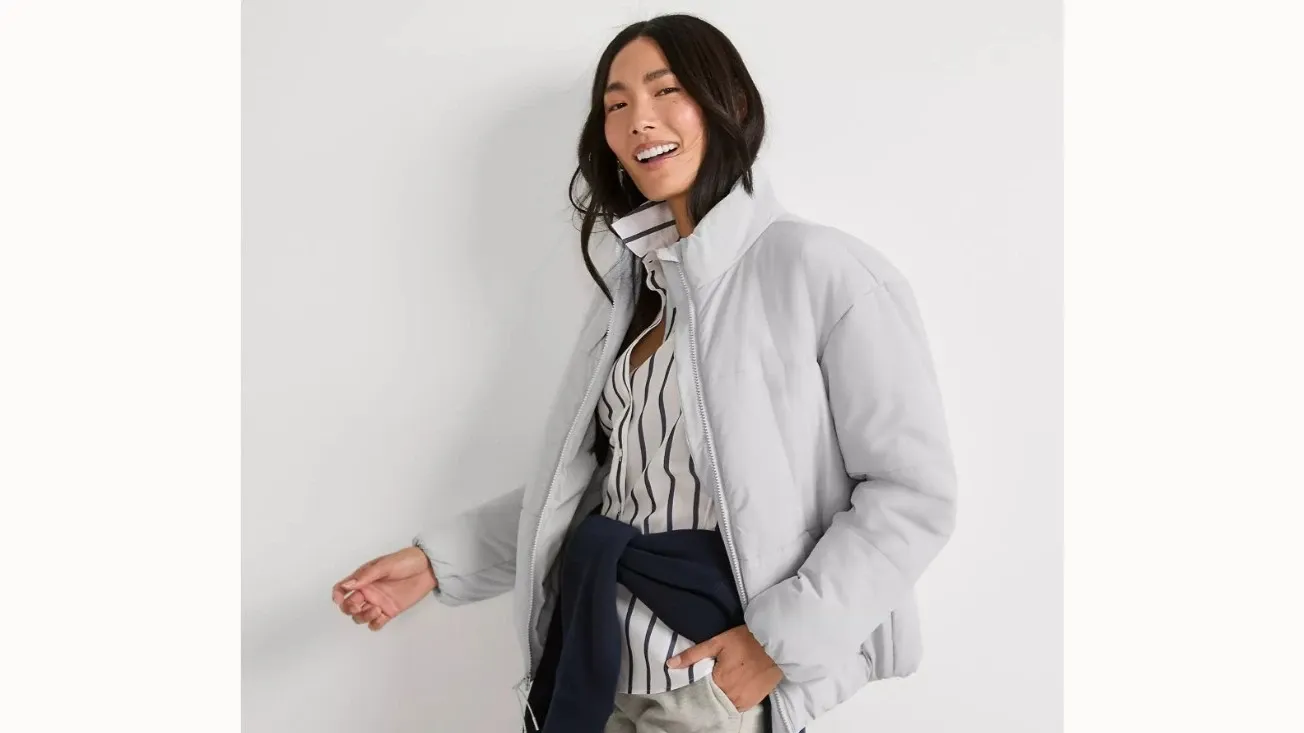
Our Pick: Women’s Insulated Wide Channel Commuter Jacket
The insulated commuter jacket is a useful example of this category because it brings everyday warmth into a clean, easy-to-wear silhouette. Its wide-channel design gives it the cozy look and feel you expect from a cold-weather insulated jacket, while the commuter-friendly shape makes it practical for workdays, errands, travel and casual plans. It is a smart pick if you want a polished winter layer that adds more warmth and coverage than a lightweight jacket without feeling like a full winter parka.
The Best Jackets for 25° to 35°F
Once the forecast settles into the 25-to-35-degree Fahrenheit range, we usually require a little more insulation, more structure and better coverage from wind. This is the zone for barn jackets, quilted jackets, insulated jackets and puffers: styles that add warmth while still feeling practical for daily life.
Barn Jackets: Rugged Warmth With Classic Lands’ End Style
A barn jacket brings a little heritage style to cold-weather dressing. It is the kind of outerwear that looks right with jeans, boots, sweaters and flannel shirts, making it a natural choice for relaxed weekends and everyday outdoor tasks. In the 25-to-35-degree range, a barn jacket works especially well when it includes a protective shell, warm lining or room for substantial layers underneath.
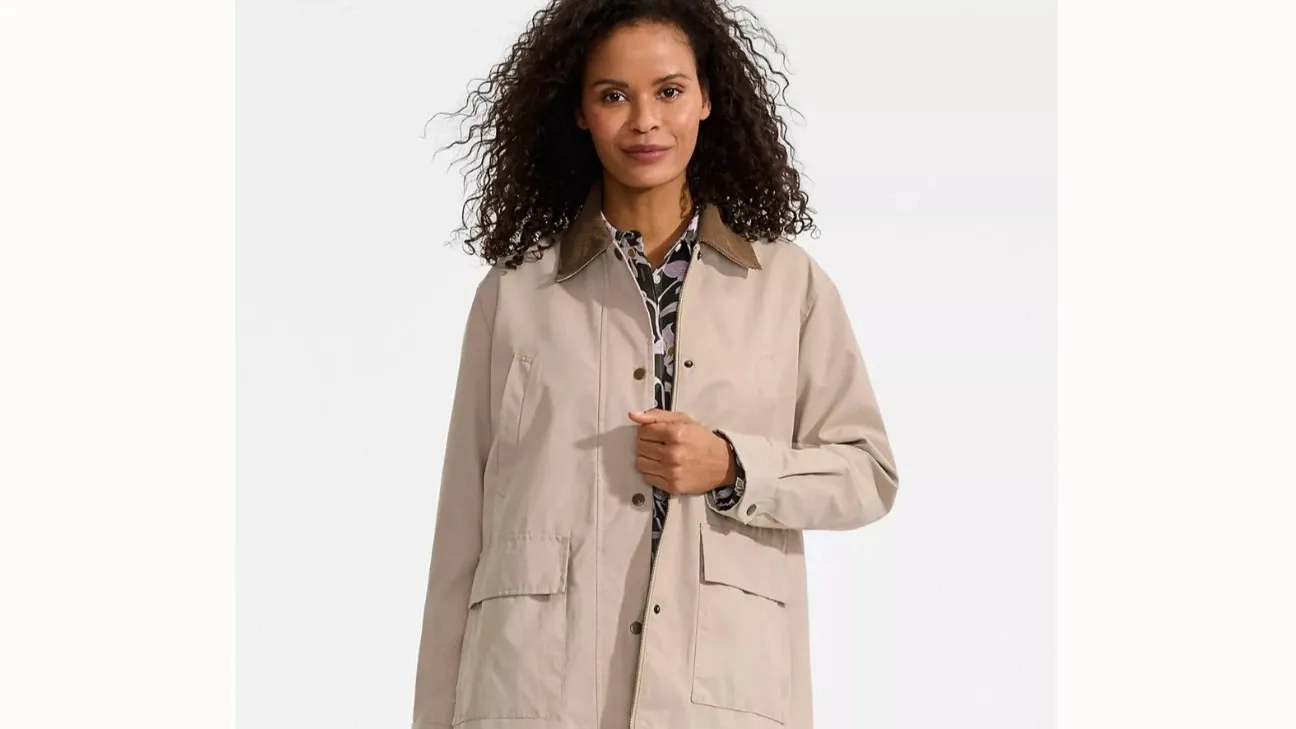
Our Pick: Women’s Waxed Barn Jacket
Lands’ End barn jackets give you value through durability, timeless styling and easy outfit pairing. The women’s waxed barn jacket is a standout pick for when you want cold-weather utility with a more refined finish. It offers the practical appeal of a field-inspired coat while still feeling polished enough for town, travel and casual weekends.
Quilted Jackets: Lightweight Warmth That Looks Put Together
Quilted jackets are a great choice when you want warmth without the look or feel of a bulky winter coat. The quilting helps distribute insulation evenly, creating a lighter layer that still feels cozy in cold conditions. In 25 to 35 degree weather, quilted outerwear is ideal for those who spend time moving between indoors and outdoors throughout the day.
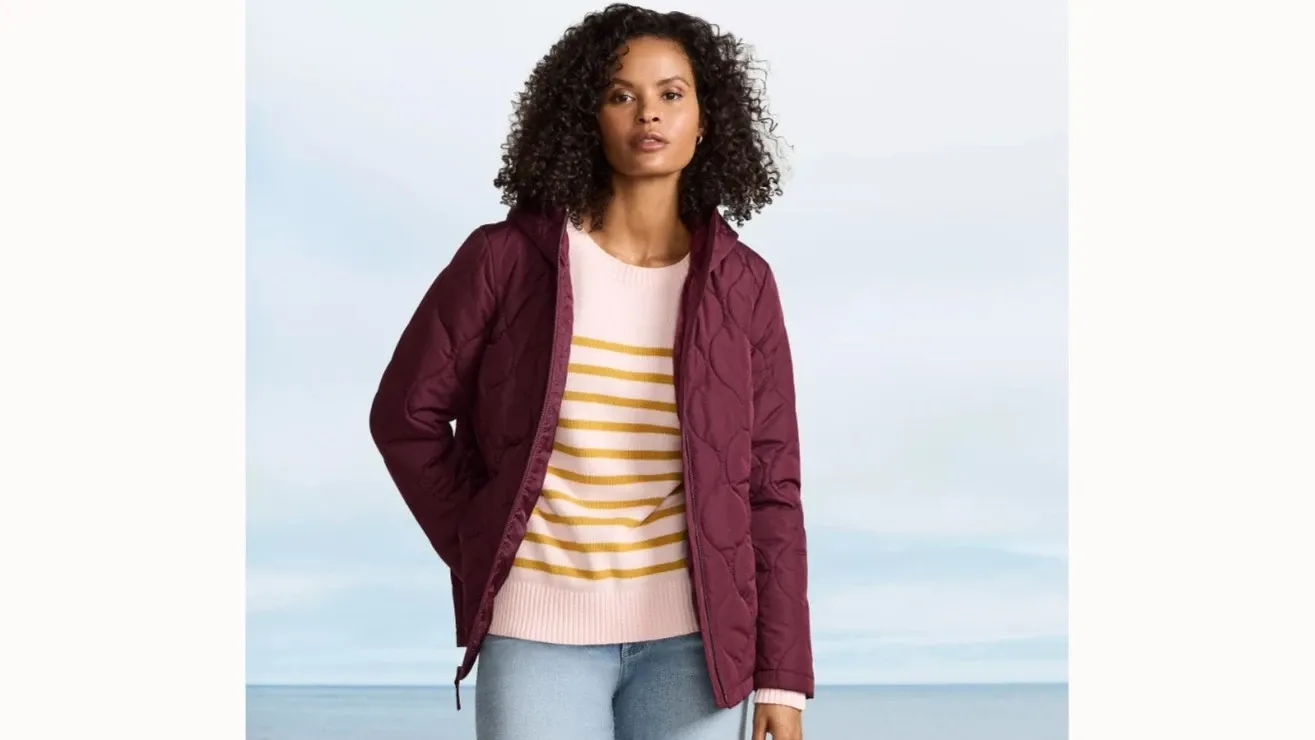
Our Pick: Women’s FeatherFree™ Quilted Insulated Jacket
Lands’ End quilted jackets offer a casual alternative to sportier puffers. They are easy to wear over sweaters, flannels and long sleeve tops, and they pack dependable warmth into silhouettes that feel clean and versatile. The FeatherFree quilted insulated jacket is a strong option if you want synthetic insulation and classic quilted styling in one practical cold-weather layer.
Bomber Jackets: Warmth With a Shorter, Sporty Fit
An insulated bomber jacket can be surprisingly warm, especially when the body and sleeves are built to hold heat. The shorter length is easy to move in and gives outfits a casual, sporty look. Because bomber jackets typically stop around the waist or hip, they may not offer as much lower-body coverage as a parka or long coat, but they are a smart option if you prioritize mobility and everyday style.
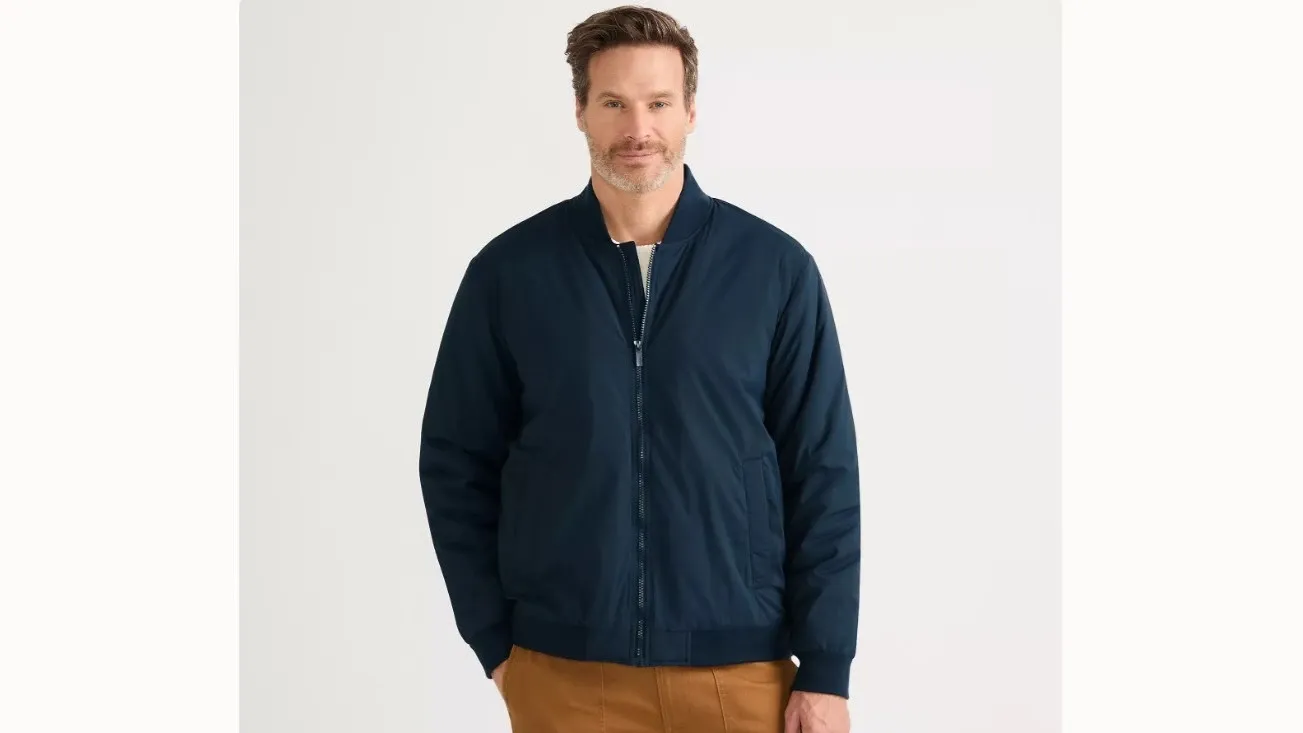
Our Pick: Men’s WanderFree™ Insulated Bomber Jacket
For cold days that call for warmth without a long silhouette, the men’s Wanderfree insulated bomber jacket is a strong pick. It gives you an easy jacket for casual wear, travel and everyday movement while still offering the added warmth of insulation.
Insulated Jackets: Reliable Cold-Weather Warmth
When temperatures sit closer to freezing, an insulated jacket becomes one of the most dependable choices. Insulation adds warmth by helping retain body heat, while jacket features like adjustable cuffs, higher collars, hoods and secure closures help keep cold air out. If you want one jacket that can handle daily winter wear, Lands’ End insulated jackets offer a wide range of warmth levels, lengths and everyday silhouettes.
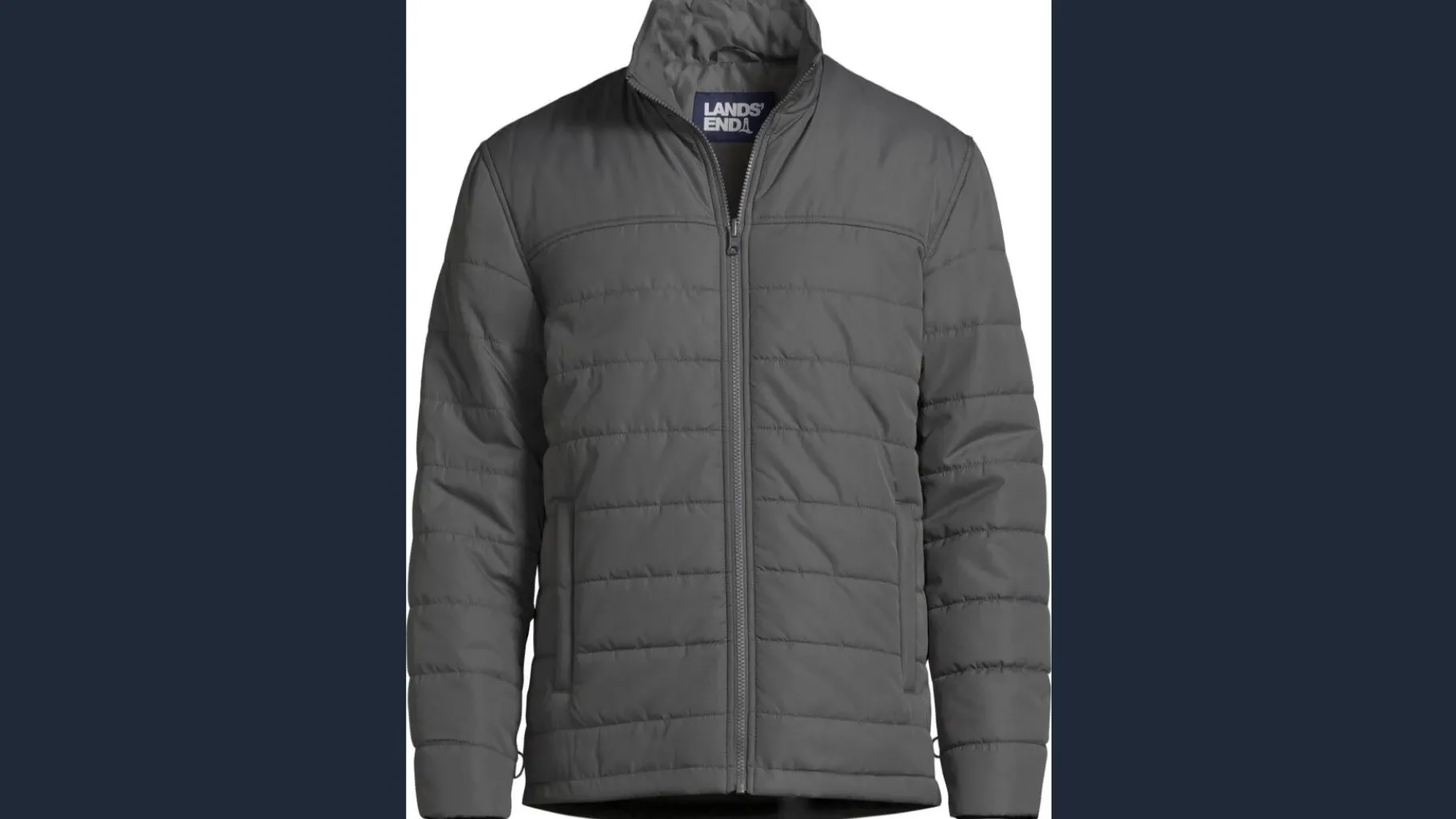
Our Pick: Men’s Insulated Jacket
The men’s insulated jacket is a versatile cold-weather pick because it is simple, warm and easy to pair with the layers you already own. It works well for commuting, school events, cold-weather walks and everyday winter errands. The shopper value is straightforward: dependable warmth in a jacket that does not feel overcomplicated.
Wanderweight Puffer Jackets: Packable Warmth for Travel and Everyday Cold
Puffer jackets are popular for a reason: they deliver warmth in a lightweight, comfortable shape. Lands’ End puffer outerwear is especially useful when you want warmth you can wear, pack and layer without feeling weighed down. In the 25-to-35-degree range, a puffer jacket is great for travel days, outdoor shopping trips and daily winter routines.
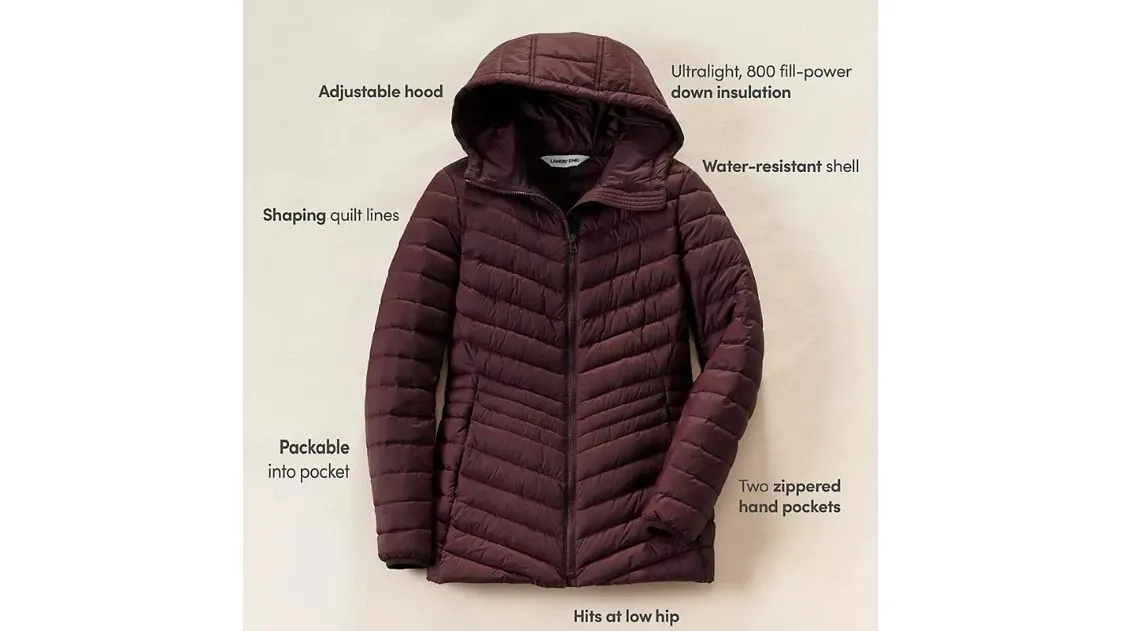
Our Pick: Wanderweight® Packable Long Down Jacket
The Wanderweight Packable Down Long Jacket adds extra coverage while keeping the lightweight appeal of a packable puffer. The longer length helps protect more of the body from chilly air, making it a worthwhile choice if you want a coat that feels warm, easy and travel-ready.
The Best Jackets for 20° to 30°F
At 20 to 30 degrees, warmth and coverage become more important. This is where you should look for down insulation, 3-in-1 construction, longer coats and parkas. The lower the temperature, the more you benefit from features that block wind, seal out wet weather and cover more of the body.
Down Insulated Jackets: High Warmth Without Excess Weight
Down insulation is valued for its warmth-to-weight ratio. It helps create a jacket that feels warm without feeling unnecessarily heavy, which is why down jackets are a favorite for cold-weather commutes, winter travel and everyday wear. In 20-to-30-degree weather, a down puffer can help keep your core warm while still allowing easy movement.
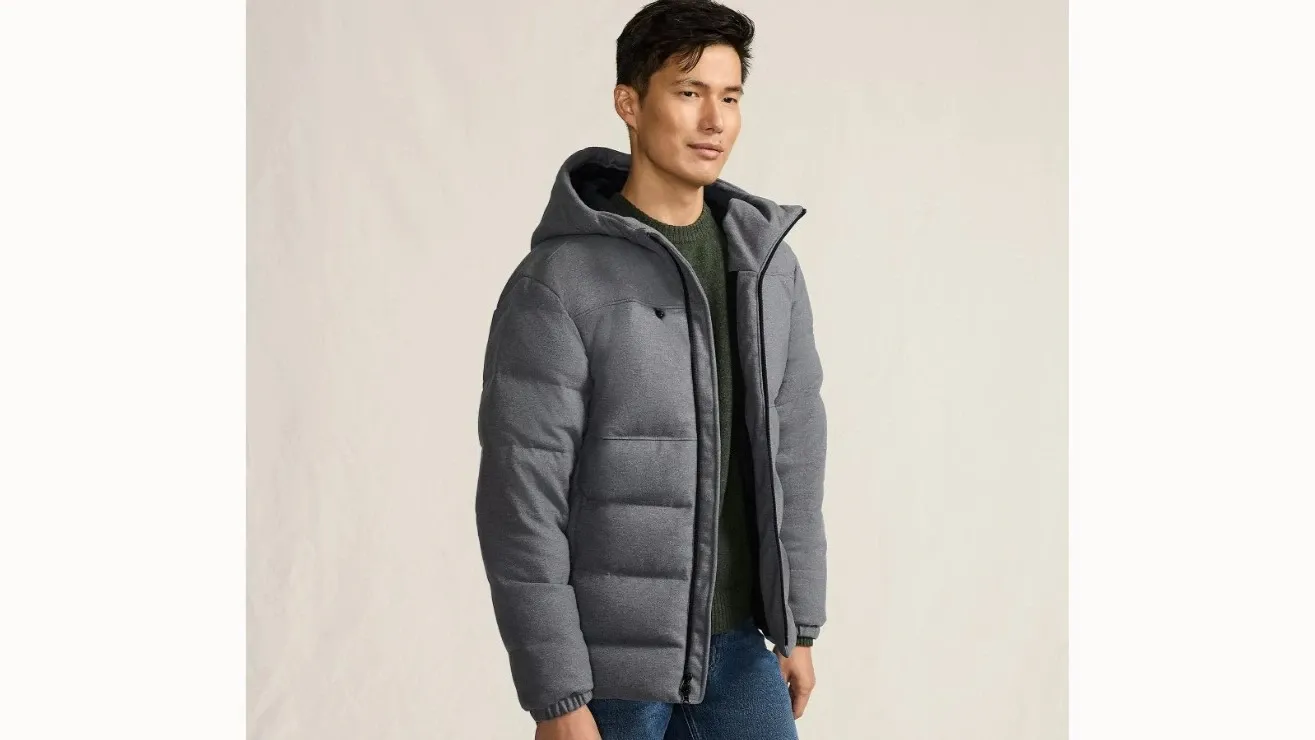
Our Pick: Men’s Max 600 Down Hooded Puffer Jacket
Lands’ End down insulated jackets are a strong choice when you want a warm winter layer that still feels wearable throughout the day. The Max 600 down hooded puffer jacket is a best-pick style for this temperature range because it combines the warmth of down with the added comfort and coverage of a hooded puffer silhouette.
3-in-1 Jackets: One Jacket, Multiple Ways to Wear It
A 3-in-1 jacket is one of the most versatile investments for cold, changing weather. The outer shell helps protect against wind and wet conditions, while the liner adds warmth. Wear them together on colder days, wear the shell alone when it is wet but milder, or wear the liner by itself when you need light insulation. That flexibility is especially helpful in climates where mornings start in the 20s and afternoons rise closer to 40.
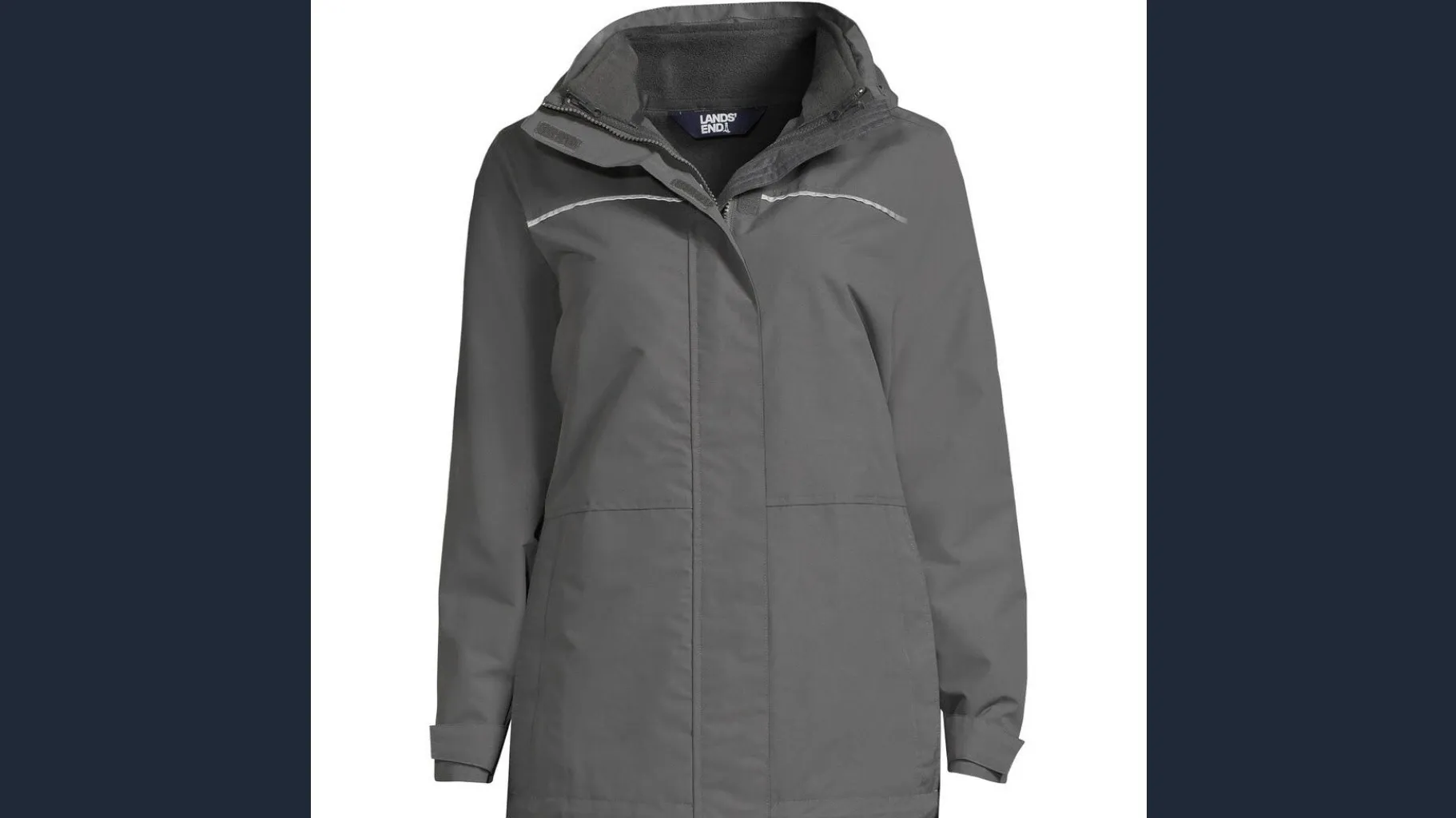
Our Pick: Women’s 3-in-1 Squall Jacket
The 3-in-1 Squall jacket brings that value into a practical Lands’ End design. It is ideal if you do not want to buy a separate jacket for every forecast. Instead, it gives you a system of layers that can adapt to wind, damp weather and cold temperatures as conditions change throughout the day.
Winter Coats: Longer Coverage for Colder Days
A longer winter coat has a clear advantage when the temperature drops: coverage. Hip-length jackets can be warm, but longer coats help protect more of the body from cold air, wind and blowing snow. If you spend time watching outdoor games, walking through open parking lots or standing at winter events, the extra length can make a noticeable difference.
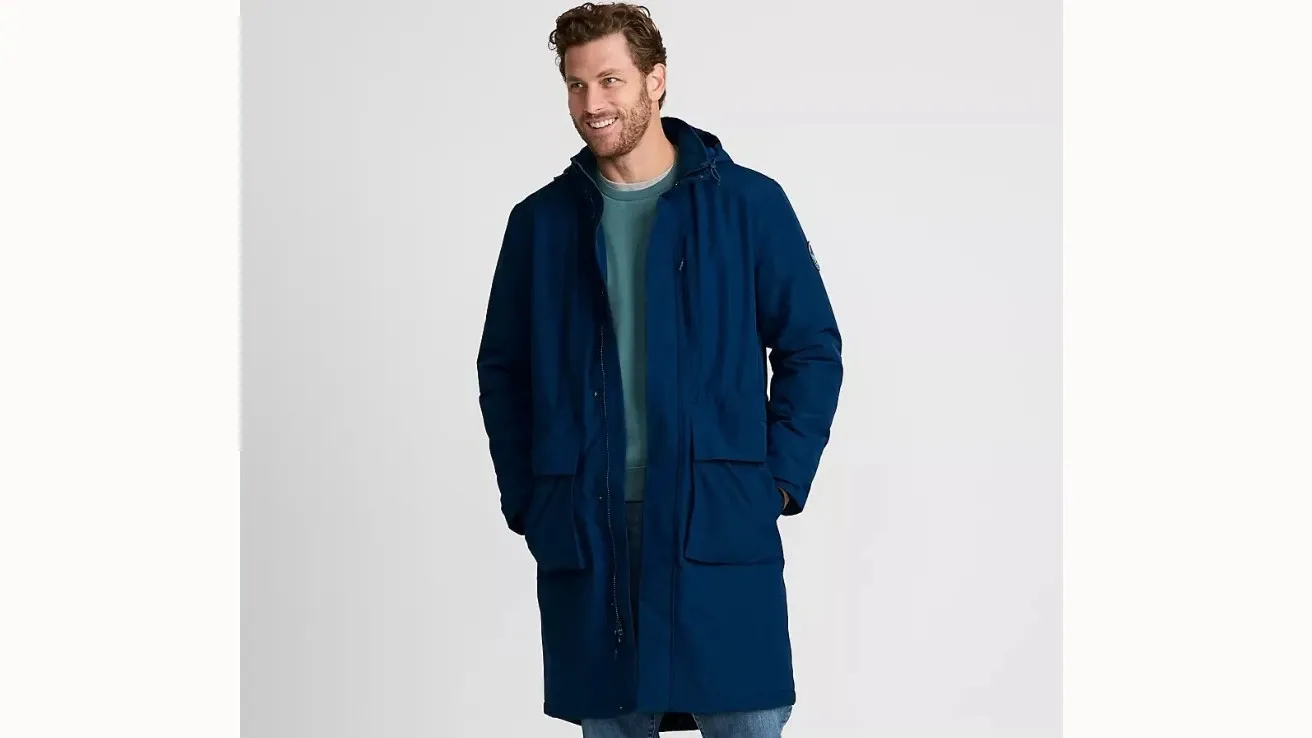
Our Pick: Men’s Squall Waterproof Insulated Winter Stadium Coat
The men’s Squall stadium coat is built for the kind of cold that calls for more than a standard jacket. Its value comes from combining weather protection, insulation and longer coverage in a coat that is made for real winter routines, from commuting to cheering from the sidelines.
Expedition Parkas: Serious Protection for Cold, Wet Winter Weather
When the forecast is cold, snowy or wet, an expedition parka is the heavy-duty option. Parkas typically offer longer coverage, protective hoods, secure closures and substantial insulation. Lands’ End Expedition coats and jackets include parka options that deliver dependable winter protection when you need more than a light cold-weather layer.
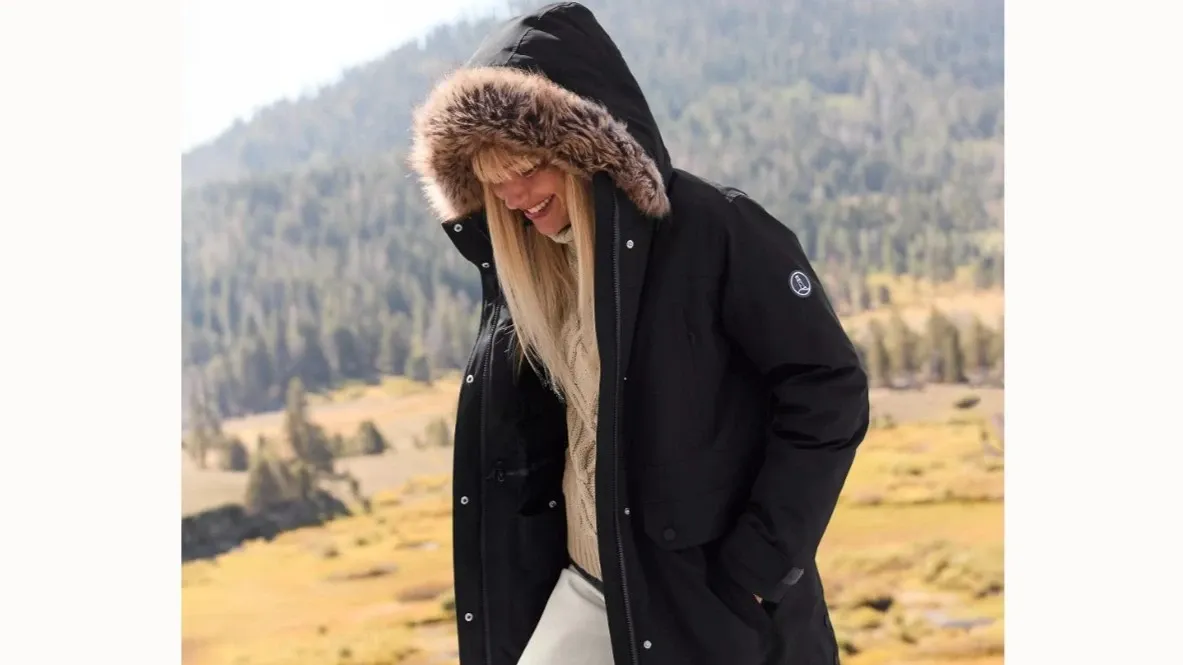
Our Pick: Women’s Expedition Down Waterproof Winter Parka
The women’s Expedition winter parka is a top choice for the coldest days in this guide. It gives you the practical value of down warmth, waterproof protection and parka-length coverage. For 20-degree weather, especially when wind or precipitation is part of the forecast, this is the kind of coat that helps you feel prepared before you step outside.
Why Shop Lands’ End for Cold-Weather Jackets?
Lands’ End outerwear is designed for real cold-weather routines, from commuting and travel to errands, walks, school events and time outside. In 20 to 40 degree weather, you benefit from having options that match the forecast instead of relying on one winter coat for every situation. With a full range of cold-weather layers, you can choose the right balance of warmth, weather protection, coverage and comfort for the way you spend time outdoors. Whether you need packable warmth, waterproof protection, down insulation or a polished jacket for everyday wear, Lands’ End makes it easier to build a cold-weather wardrobe that feels comfortable, versatile and ready for whatever winter brings.
Shop all Outerwear